


Types of Gambling Addiction Triggers: Know Your Risks
Gambling addiction triggers are defined as specific internal feelings or external situations that activate compulsive gambling urges in people with gambling disorder. Recognizing the types of gambling addiction triggers in your own life is one of the most powerful steps you can take toward recovery. Research from Addiction Resource and Mayo Clinic confirms that triggers span emotional, environmental, biological, and social categories. Each type works through a different mechanism in your brain and behavior. Understanding which ones affect you most gives you real tools to interrupt the cycle before it takes hold.
1. Types of gambling addiction triggers: an overview
Gambling disorder is not simply about willpower. It is driven by a complex web of cues that activate your brain's reward system, pushing you toward gambling even when you know the consequences. These cues fall into four broad categories: emotional and psychological, environmental and social, biological and medication-related, and cognitive and behavioral. Most people struggling with gambling addiction are responding to several types at once. Knowing the full picture helps you stop blaming yourself and start building a real plan.
2. Emotional and psychological triggers
Emotional states are among the most powerful gambling impulse triggers. Anxiety, stress, depression, loneliness, and boredom all create an internal discomfort that gambling temporarily relieves. Your brain learns that placing a bet produces a quick dopamine hit, your brain's natural reward chemical, and that association becomes deeply wired over time.
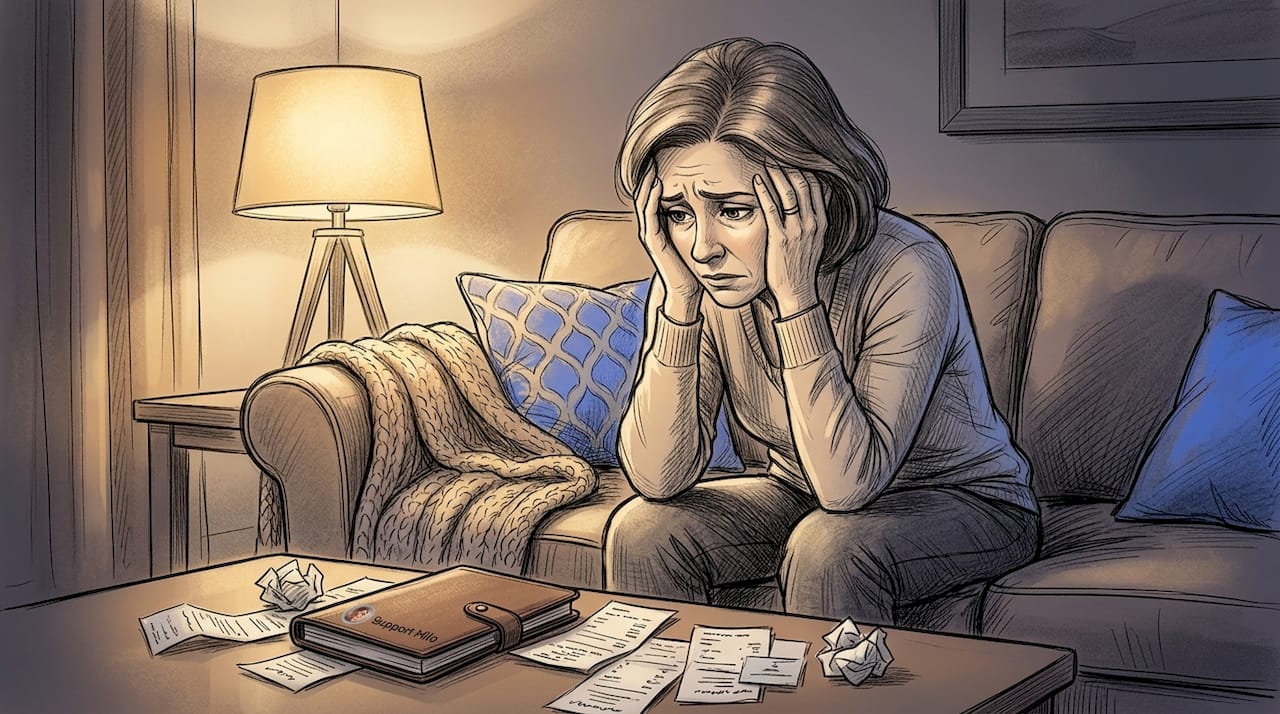
Approximately 75% of individuals with gambling disorder also live with a co-occurring mental health condition, and 29% experience PTSD symptoms that act as significant emotional triggers. That statistic means the majority of people dealing with compulsive gambling are also managing another mental health challenge at the same time.
Common emotional triggers include:
- Anxiety or panic about finances, relationships, or work
- Depression or low mood that gambling temporarily numbs
- Loneliness and a desire for excitement or connection
- Boredom and a need for stimulation
- Shame or guilt about past gambling, which paradoxically drives more gambling as an escape. You can read more about breaking the shame cycle to understand this pattern better.
Pro Tip: Keep a simple mood journal for one week. Write down your emotional state each time you feel a gambling urge. Patterns will appear faster than you expect, and those patterns are your roadmap.
3. Environmental and social triggers of gambling behavior
Your surroundings shape your behavior more than most people realize. Environmental gambling cues include physical locations like casinos and sports bars, but also digital environments that are now available 24 hours a day.
Sports betting expanded from just 1 state in 2017 to 38 states by 2024, driven largely by mobile apps. That shift means gambling is now accessible from your couch, your commute, and your lunch break. The barrier between impulse and action has nearly disappeared.
Social influences are equally powerful. Family history and social normalization of gambling within friendship networks significantly increase the risk of developing gambling disorder. When people around you treat betting as casual entertainment, your own behavior feels normalized even when it is not.
| Environmental or social trigger | How it works | Impact level |
|---|---|---|
| Mobile betting apps | Instant access removes friction | Very high |
| Gambling advertisements | Creates urgency and excitement | High |
| Sports events and live betting | Real-time action triggers impulsive bets | High |
| Peer or family gambling culture | Normalizes compulsive behavior | Medium to high |
| Casino environments | Sensory cues (lights, sounds) activate reward pathways | High |
| Prediction market and trading apps | Marketed as investing, but involve speculative risk | Medium |
Sports betting apps rely on promotions and instant betting features that heighten addiction risk through repeated micro-rewards. Each small win or near-miss keeps your brain engaged and wanting more. It is worth noting that platforms like fantasy sports apps and day trading tools can also function as hidden gambling triggers because they are marketed as skill-based but involve the same speculative reward loops.
4. Biological and medication-related triggers
Biology plays a bigger role in gambling addiction causes than most people are told. Your brain's dopamine system, the same network involved in food, sex, and drug addiction, is directly activated by gambling. For some people, this biological response is amplified by genetics or by medications they are already taking for other conditions.
Dopamine agonist medications used to treat Parkinson's disease and restless leg syndrome can trigger compulsive gambling behaviors as a side effect. This is a biological trigger, not a character flaw. The medication increases dopamine activity in the brain's reward circuits, and gambling becomes an outlet for that artificially elevated drive.
Key biological and medication-related triggers include:
- Dopamine dysregulation in the brain's nucleus accumbens, the core reward center
- Dopamine agonists such as pramipexole and ropinirole, prescribed for Parkinson's and restless leg syndrome
- Certain antipsychotic medications that affect dopamine receptor sensitivity
- Genetic predisposition to reward-seeking behavior and impulsivity
- Substance use history, which primes the brain's reward system for addictive patterns
Pro Tip: If you started gambling heavily after beginning a new medication, tell your doctor. This is a recognized medical side effect, and your prescriber can adjust your treatment. You do not need to manage this alone.
5. Cognitive and behavioral triggers, including thinking errors
How you think about gambling is itself a trigger. Cognitive distortions, which are errors in thinking, keep you locked in the cycle even when you want to stop.
The most common cognitive trigger is "chasing losses." This is the belief that a losing streak must eventually reverse, so you keep gambling to win back what you lost. The gambler's fallacy, the illusion that past outcomes influence future random events, is another deeply embedded thinking error. Neither belief is rational, but both feel completely convincing in the moment.
Here is how the relapse cycle typically unfolds:
- Complacency sets in. You feel stable, so you skip a support meeting or stop practicing self-care routines.
- Warning signs appear. Stress builds, old emotional triggers resurface, and you start minimizing the risks.
- A trigger fires. A sports event, a stressful day, or a moment of boredom activates the urge.
- The urge peaks. It feels overwhelming and permanent, like it will never pass.
- Relapse or recovery. Without a coping strategy, gambling follows. With one, the urge passes.
Relapse in gambling addiction is often triggered by complacency, specifically by skipping self-care or support meetings, which creates the emotional conditions for urges to return. Understanding this cycle is not discouraging. It is empowering, because each step is a point where you can intervene.
One of the most effective tools for managing cognitive triggers is urge surfing. Gambling urges rise, peak, and pass like waves, and urge surfing teaches you to observe the craving without acting on it. You watch the urge build, acknowledge it without judgment, and let it recede naturally.
"Cravings are temporary. They are not commands. You can feel the urge to gamble and still choose not to act on it. That gap between feeling and action is where your recovery lives."
Procrastination also acts as a hidden trigger for gambling addiction by functioning as avoidance-based emotional regulation. When you delay a difficult task, anxiety builds. Gambling offers an immediate escape from that discomfort, creating a feedback loop of stress and compulsive behavior. Recognizing procrastination as a trigger, not just a bad habit, changes how you respond to it.
6. How gender, age, and personal history shape your risk
Not everyone responds to gambling triggers the same way. Demographic factors and personal history determine how vulnerable you are and which triggers hit hardest.
Men develop gambling disorder at approximately twice the rate of women, though the gender gap is narrowing as mobile gambling becomes more accessible to all demographics. Young adults represent a particularly high-risk group because their prefrontal cortex, the brain region responsible for impulse control, is still developing into the mid-twenties.
| Risk factor | How it increases susceptibility |
|---|---|
| Male gender | Higher baseline prevalence; earlier onset |
| Age 18 to 25 | Underdeveloped impulse control; peer influence peaks |
| Family history of gambling | Genetic predisposition plus social normalization |
| Early exposure to gambling | Reward pathways conditioned at a formative age |
| Lower income or financial stress | Gambling perceived as a solution, not a risk |
| History of trauma or adverse childhood experiences | Emotional dysregulation increases trigger sensitivity |
Family history and early exposure act as risk multipliers. If gambling was present in your home growing up, your brain was conditioned to see it as normal before you had the tools to evaluate it critically. That is not your fault. It is a pattern you can recognize and work to change. Understanding the family financial impact of gambling addiction can also help you see how these risk factors ripple outward.
What I've learned about triggers that most articles miss
By Milo
After working alongside people navigating gambling recovery, the trigger that surprises people most is not stress or boredom. It is complacency. The moment someone feels "fixed," they quietly stop doing the things that kept them stable. They skip the check-in. They stop journaling. They tell themselves one sports app notification is fine. And then a familiar trigger fires into an unprepared mind.
The second most overlooked trigger is medication. I have seen people carry enormous shame about gambling urges that were, in part, a pharmacological side effect. When they learned that dopamine agonists can biologically induce those urges, the shame lifted. That shift in understanding changed everything for their recovery.
My honest take: trigger awareness is not about building a perfect defense. It is about shortening the gap between the trigger firing and you recognizing what just happened. The faster you name it, the less power it has. Start with one trigger. Just one. Write it down, learn its shape, and practice one response. That is enough to begin.
You can also explore what gambling relapse looks like to understand how triggers connect to the broader recovery cycle.
— Milo
You don't have to face your triggers alone
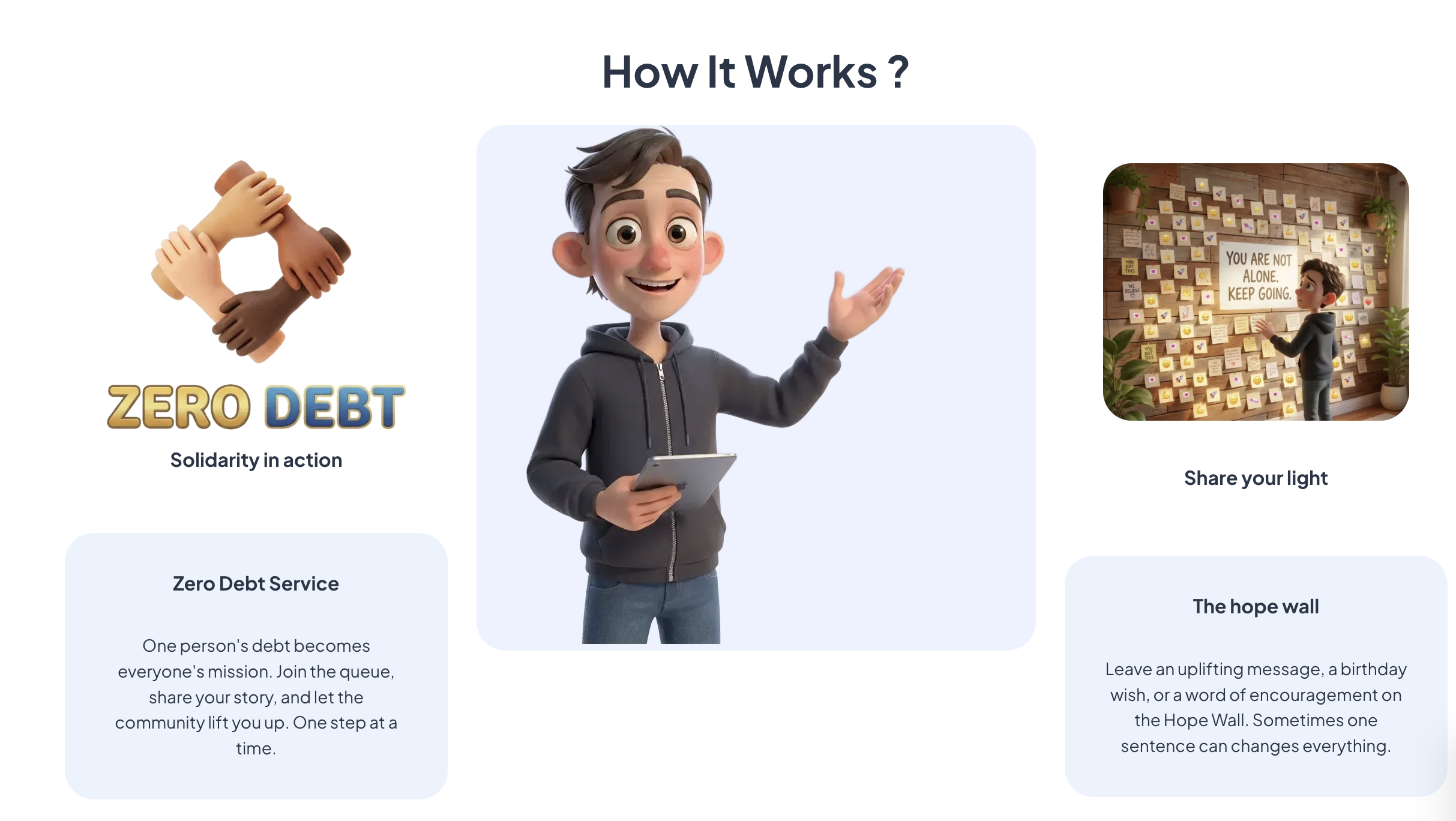
Recognizing your triggers is a huge step. Taking action on them is the next one. Support-milo is a community-driven platform built for people exactly where you are right now. Whether you are tracking debt, reading stories from others who understand, or posting on the Hope Wall to find some encouragement on a hard day, Support-milo gives you a place to belong and a structure to move forward.
You are not starting from zero. You are starting from experience, and that matters. Join the Support-milo community today and connect with people who get it. Every step forward counts, no matter how small it feels.
FAQ
What are the main types of gambling addiction triggers?
The main types of gambling addiction triggers are emotional (stress, anxiety, depression), environmental (mobile apps, casinos, advertisements), biological (dopamine dysregulation, certain medications), and cognitive (thinking errors like chasing losses and procrastination). Most people experience several types simultaneously.
What triggers gambling urges most commonly?
Emotional states like stress, boredom, and loneliness are the most common gambling impulse triggers, with research showing that 75% of people with gambling disorder also have a co-occurring mental health condition that amplifies these urges.
Can medications cause gambling addiction triggers?
Yes. Dopamine agonist medications prescribed for Parkinson's disease and restless leg syndrome are known to trigger compulsive gambling as a side effect. If you suspect a medication is contributing to your urges, speak with your prescriber directly.
How do I recognize my personal gambling triggers?
Track your emotional state, location, and activity each time a gambling urge appears. Patterns typically emerge within one to two weeks, revealing your specific trigger profile. Urge surfing, a technique that teaches you to observe cravings as waves, is a practical tool for building that awareness in real time.
Does family history increase gambling addiction risk?
Yes. Family history of gambling disorder increases both genetic predisposition and social normalization of gambling behavior, making early exposure one of the strongest risk multipliers for developing compulsive gambling later in life.