


When a loved one's gambling spirals out of control, the whole family absorbs the impact. You may be losing sleep over hidden debts, walking on eggshells during conversations, or feeling a mix of love and exhaustion that is hard to explain to anyone outside your home. Learning to cope with gambling family stress is not about fixing the gambler. It is about protecting your own well-being, setting healthy boundaries, and building the kind of resilience that gives your family a real chance at healing. This guide gives you the tools to do exactly that.
Table of Contents
- Key takeaways
- How gambling addiction affects family emotional health
- Setting boundaries and building your support system
- Step-by-step coping strategies for daily life
- Common mistakes families make when coping with gambling stress
- Recognizing progress and building healthy family dynamics
- My honest take on what actually helps families
- How Support-milo can help your family right now
- FAQ
Key takeaways
| Point | Details |
|---|---|
| Understand the emotional impact | Anxiety, mistrust, and guilt are normal responses; recognizing them is the first step toward managing them. |
| Set clear boundaries early | Financial and emotional boundaries protect your well-being and actually encourage treatment engagement. |
| Use structured support systems | Peer groups like Gam-Anon and professional counseling reduce isolation and improve family outcomes. |
| Build a relapse-response plan | Agreeing on practical steps before a setback happens prevents emotional crisis from taking over. |
| Track progress, not perfection | Celebrating small communication wins and financial milestones keeps the family motivated through recovery. |
How gambling addiction affects family emotional health
Gambling addiction does not stay at the casino. It comes home. It sits at the dinner table, disrupts sleep, and quietly erodes trust between people who love each other. Understanding what you are actually dealing with makes it easier to respond with clarity instead of panic.
Families often experience anxiety, mistrust, anger, and exhaustion as direct responses to a loved one's gambling disorder. And here is something that genuinely helps: gambling disorder is a recognized brain condition. It rewires the reward system, making compulsive behavior feel almost involuntary. Knowing this does not excuse the harm caused, but it does shift the conversation from blame to problem-solving.
The financial consequences hit just as hard as the emotional ones. Hidden debts, drained savings, and secretive spending create a specific kind of stress that affects sleep and daily behavior for millions of families. You might notice communication breaking down, with conversations either avoided entirely or exploding into conflict. Both patterns signal that the family system is under serious strain.
Here are the most common signs that gambling stress has reached a crisis point:
- Frequent unexplained financial shortfalls or missing money
- Lying or secretiveness about time and whereabouts
- Escalating arguments centered on money or trust
- Withdrawal from family activities and social connections
- Physical symptoms in family members like headaches, fatigue, or anxiety attacks
"When gambling becomes a family crisis, it is rarely just about money. It is about broken trust, fractured communication, and a family system desperately searching for stability." — Project Turnabout
Recognizing these signs is not about building a case against your loved one. It is about seeing the situation clearly so you can make grounded decisions about how to help.
Setting boundaries and building your support system
Before you can help anyone else, you need a foundation under your own feet. This section is about the practical first steps that protect your emotional and financial health while you manage family gambling issues.
Financial boundaries are not punishments. They are protective structures. Separate bank accounts, direct control over household bills, and removing your name from shared credit are all reasonable steps. Boundaries protect the family and, perhaps counterintuitively, they also encourage the person with the gambling problem to engage with treatment. When there are no more financial rescues available, the consequences of gambling become real in a way they were not before.
Emotional boundaries matter just as much. Avoiding enabling behavior means not covering up gambling losses, not making excuses to family members or employers, and not absorbing the emotional fallout in silence. This is genuinely hard. It can feel like you are being unkind. You are not. You are being honest, and honesty is what recovery requires.
Here is where to start building your support network:
- Gam-Anon: Peer support groups specifically for families of people with gambling problems. Gam-Anon groups reduce isolation and provide practical guidance from people who truly understand what you are going through.
- National Problem Gambling Helpline: The 1-800-MY-RESET helpline offers 24/7 call, text, and chat support. Trained professionals connect you to local resources at any stage of concern.
- Individual counseling: A therapist who specializes in addiction and family dynamics can help you process your own emotions without putting that weight on your loved one.
- Trusted community: A close friend, sibling, or faith community can provide day-to-day emotional support between formal sessions.
Pro Tip: When you first call the National Problem Gambling Helpline, you do not need to have a plan. Helpline staff are trained to guide you through next steps, even if you are just beginning to recognize the problem.
Step-by-step coping strategies for daily life
Now for the practical work. These are the coping strategies for gambling stress that research supports and that families actually find useful over time. They address both the day-to-day moments and the longer arc of recovery.
-
Learn cognitive-behavioral communication skills. CBT combined with family therapy improves recovery outcomes by targeting triggers, urges, and trust rebuilding. For family members, this means learning to respond rather than react. When your loved one comes home late, you have a planned, calm response ready instead of an emotional confrontation that escalates into a fight.
-
Protect your physical health. Stress from dealing with gambling stress at home is cumulative. Regular exercise, consistent sleep, and eating well are not luxuries. They are the biological foundation that keeps your nervous system regulated enough to make good decisions. Think of self-care as your daily maintenance, the same way you charge your phone so it works when you need it.
-
Shift from monitoring to structured support. There is a meaningful difference between surveillance and structured transparency. Weekly financial check-ins with agreed-upon rules reduce shame and conflict far more effectively than constant checking and questioning. Families recover faster emotionally when this shift happens.
-
Build a relapse-response plan together. A relapse-response plan defines what each family member will do if gambling slips occur. Who calls the counselor? What financial protections activate? What does the person with the gambling problem agree to do? Having these answers before a crisis happens removes the chaos from an already difficult moment.
-
Celebrate small wins out loud. Three days without gambling. One honest conversation. A bill paid on time. These moments matter. Acknowledging them builds the positive reinforcement loop that keeps everyone moving forward.
Pro Tip: Write your relapse-response plan down and keep it somewhere accessible. A plan that lives only in your head tends to disappear exactly when you need it most.
Common mistakes families make when coping with gambling stress
Even the most loving families fall into patterns that make things harder. Knowing what to watch for helps you course-correct before these patterns become entrenched.
- Taking on the fixer role. Paying off gambling debts, lying to protect your loved one, or managing their consequences for them removes the natural motivation to change. It feels like love. Over time, it functions as fuel for the addiction.
- Skipping your own support. Many family members focus entirely on the person gambling and neglect their own mental health. Burnout is real, and a burned-out caregiver cannot support anyone effectively.
- Treating relapse as a relationship failure. Relapse is a clinical feature of addiction, not a personal betrayal. Recovery is most successful with full abstinence and ongoing therapy, but slips happen. How your family responds to a slip matters more than the slip itself.
- Waiting too long for professional help. Many families wait years before involving a counselor or therapist. Integrative psychotherapy and family-focused psychoeducation help with emotional processing, trust repair, and financial management. Starting earlier leads to better outcomes.
Here is a quick comparison to help you recognize enabling versus supporting:
| Behavior | Enabling | Supporting |
|---|---|---|
| Gambling debt appears | Pay it off silently | Discuss consequences calmly, do not cover it |
| Loved one misses therapy | Make excuses for them | Express concern, hold the boundary |
| Tension rises at home | Avoid the topic entirely | Use a planned communication approach |
| Relapse occurs | React with anger or despair | Follow the agreed relapse-response plan |
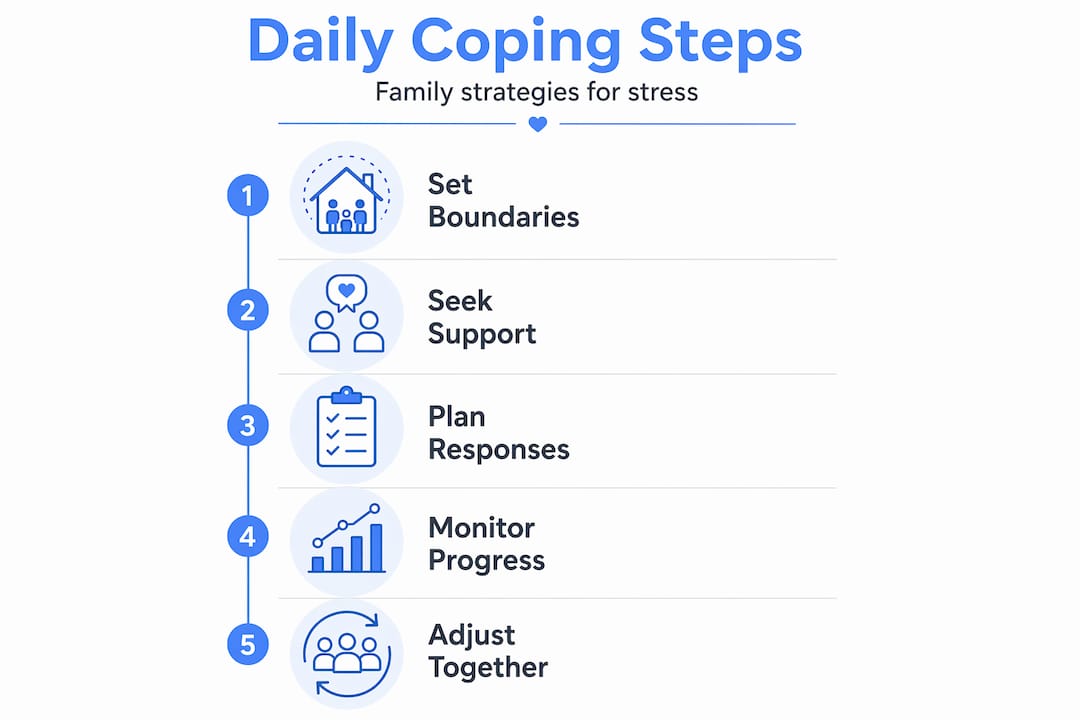
The goal is not to become a perfect responder overnight. It is to gradually shift from reactive patterns to intentional ones.
Recognizing progress and building healthy family dynamics
Recovery is not a single moment. It is a series of small shifts that accumulate into something genuinely different. Knowing what progress actually looks like helps you stay motivated through the slower stretches.
| Area | Signs of progress |
|---|---|
| Communication | Conversations about money and feelings happen without escalating into arguments |
| Trust | Financial transparency is maintained consistently over weeks, not just days |
| Emotional health | Family members report lower anxiety and better sleep on a regular basis |
| Support engagement | Regular attendance at Gam-Anon, therapy, or counseling continues without prompting |
| Milestones | Debt is being reduced; small financial goals are being met and celebrated |
Continued engagement with support groups matters even when things feel stable. Therapy and support groups aid long-term success precisely because recovery is not linear. The tools you build during the hard stretches are the ones that protect you during the easier ones.
Adjust your strategies as your family grows. What works in the first three months may need updating at the one-year mark. Check in with each other regularly, not just about gambling, but about how everyone is feeling, what is working, and what needs to change. That kind of ongoing attention is what transforms coping into genuine healing.
My honest take on what actually helps families
I have seen families pour enormous energy into trying to control the gambling. Monitoring bank accounts, checking phones, interrogating every absence. I understand the impulse completely. When you love someone and you are watching them destroy themselves, control feels like the only tool you have.
But in my experience, the families that recover most fully are the ones who shift their focus from the gambling to their own health. They stop trying to manage the addiction and start managing their own boundaries, their own emotional responses, and their own support systems. That shift is not giving up. It is the most strategic thing a family can do.
What I have also learned is that firmness and compassion are not opposites. You can hold a boundary with absolute clarity and still communicate love. In fact, that combination, clear limits delivered with genuine warmth, is often what finally motivates a person with gambling disorder to take treatment seriously.
The families who struggle most tend to be the ones waiting for the perfect moment to get help, or waiting for the gambling to get bad enough to justify it. Do not wait. Get support now, for yourself, regardless of where your loved one is in their process. Your recovery matters too.
— Milo
How Support-milo can help your family right now
You do not have to figure this out alone. Support-milo was built specifically for families and individuals navigating the emotional and financial weight of gambling addiction. Whether you are just starting to recognize the problem or you are deep in the middle of it, there are real tools here for you.
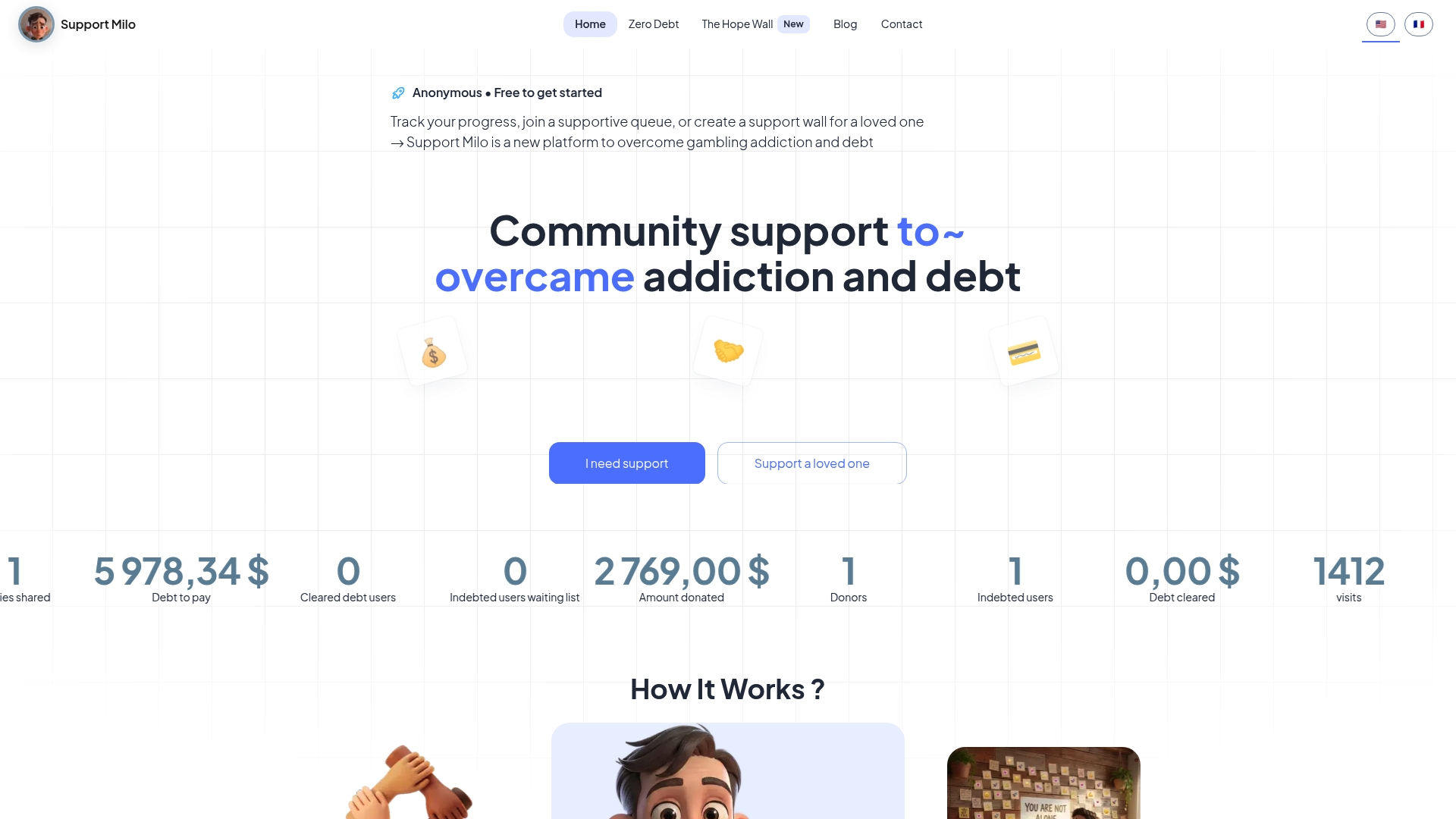
On the Support-milo platform, you can track debt repayment progress, read community stories from people who understand exactly what you are going through, and post to the Hope Wall when you need encouragement or want to give it. For organizations and families looking for more structured support, Support-milo's enterprise solutions offer tailored programs designed to address gambling-related challenges at every level. If financial recovery is your most pressing need, the zero debt program provides a clear path forward. Every step you take counts.
FAQ
What are the first steps to cope with gambling family stress?
Start by setting clear financial and emotional boundaries to stop enabling behavior. Then connect with a peer support group like Gam-Anon or call the National Problem Gambling Helpline at 1-800-MY-RESET for guided next steps.
How do I help a family member with gambling addiction without burning out?
Focus on your own support system first, including individual counseling and peer groups. Boundaries protect both you and your loved one, and shared support reduces the emotional load on any one person.
What is a relapse-response plan and why does my family need one?
A relapse-response plan is a written agreement that defines what each family member will do if gambling slips occur, including who contacts the counselor and what financial steps activate. Having it in place before a crisis removes chaos from an already difficult moment.
Can family therapy really improve gambling addiction outcomes?
Yes. CBT combined with family therapy targets triggers, trust rebuilding, and communication patterns, and research links this approach to meaningfully better recovery outcomes compared to individual treatment alone.
When should a family involve professional counseling?
As early as possible. Many families wait years, but integrative psychotherapy and family-focused psychoeducation help with emotional processing and trust repair at any stage of the problem.