


Shared gambling debt hits differently than most financial problems. It carries shame, broken trust, and a sense of helplessness that regular debt just doesn't. Whether you're the one who gambled or the partner left sorting through the damage, learning to manage shared debt from gambling means tackling two things at once: stopping the financial bleeding and addressing the behavior driving it. This guide gives you a clear, step-by-step path through both. You'll find practical tools, honest perspective, and real hope. Recovery is possible, and you don't have to figure it out alone.
Table of Contents
- Key takeaways
- How to manage shared debt from gambling: know what you're dealing with
- Immediate steps to stop the financial damage
- Building a repayment plan while supporting recovery
- Common pitfalls to avoid along the way
- My honest take on what actually works
- How Support-milo can help you move forward
- FAQ
Key takeaways
| Point | Details |
|---|---|
| Assess all shared accounts | Pull credit reports from all three bureaus to find every debt connected to gambling losses. |
| Take protective steps fast | Freeze credit and separate finances immediately to stop new debt from forming. |
| Use a two-track approach | Treat the addiction and manage the finances at the same time for lasting recovery. |
| Get professional support | Debt counseling for gambling issues and behavioral therapy together produce better outcomes. |
| Lean on community | Peer support and shared accountability make the recovery process more sustainable. |
How to manage shared debt from gambling: know what you're dealing with
Before you can fix anything, you need a clear picture of what you owe and to whom. This step feels uncomfortable, but it's where real progress starts.
Start by pulling your credit reports from all three major bureaus: Equifax, Experian, and TransUnion. You can access them free at AnnualCreditReport.com. Look carefully for hard inquiries you don't recognize, accounts you didn't open, and balances that seem higher than expected. Credit freezes are free and can prevent new unauthorized credit lines from being opened while you sort things out.
Next, make a list of every shared financial account. This includes:
- Joint credit cards and personal loans
- Home equity lines of credit
- Auto loans with both names on the title
- Shared bank accounts with overdraft features
- Any co-signed debt, even if only one name appears on statements
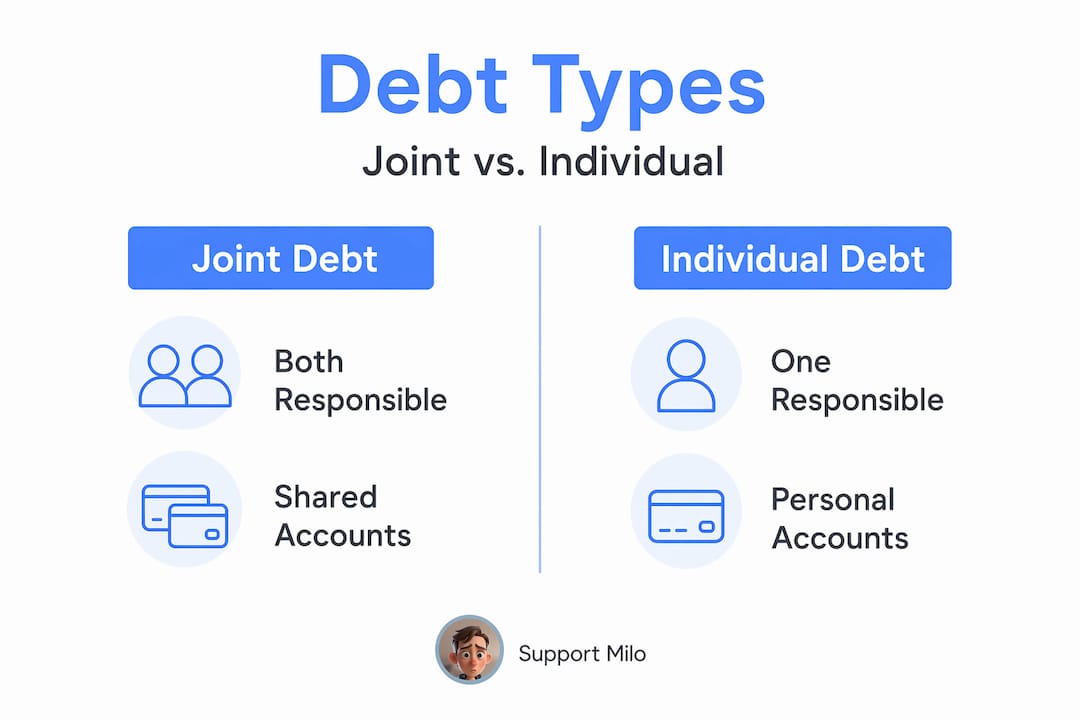
Understanding whether a debt is joint or individual matters legally. In community property states like California, Texas, and Arizona, debts incurred during a marriage may be considered shared regardless of whose name is on the account. In other states, individual debt stays with the individual. Check your state's specific laws or consult a legal aid organization to understand your exposure.
Document everything. Save bank statements, screenshots of account balances, and a written timeline of when debts were created. This paper trail protects you and becomes the foundation for any debt repayment plan or legal action later.
Pro Tip: Set a specific time, like a Saturday morning, to do this financial audit in one sitting. Spreading it across days makes it feel bigger and more overwhelming than it actually is.
Immediate steps to stop the financial damage
Once you know what you're dealing with, the next move is to stop things from getting worse. Speed matters here. Every day without protective barriers is another day the debt can grow.
- Place a credit freeze on all three bureaus right away. This blocks any new credit accounts from being opened in your name or your partner's name without explicit authorization.
- Open a separate individual account and route your income directly into it. Use this account to cover your personal essentials: rent, utilities, groceries. A hybrid account system with individual accounts plus a monitored joint account for shared bills works well for couples in recovery.
- Remove access to gambling platforms. This means deleting apps, blocking websites with parental controls or dedicated app blockers, and removing saved payment methods from any gambling sites. Official self-exclusion programs through state gaming regulators are more effective than informal blocking.
- Limit cash access. Work with a trusted family member or financial representative to manage bill payments temporarily if the gambling is ongoing or if trust has been severely damaged.
- Set up session timers and app blockers on shared devices. Environmental controls like these reduce reliance on willpower alone during moments of urge or stress.
The goal here isn't punishment. It's protection. Think of these steps as removing the match from a room full of kindling.
Pro Tip: Do these protective steps during a calm, clear-headed moment, not in the middle of a conflict. Changes made during 'moments of clarity' are more likely to stick.

Building a repayment plan while supporting recovery
This is where managing gambling-related finances gets real. You need a plan that works financially and supports the recovery process at the same time. Professional treatment combined with financial counseling consistently produces better long-term outcomes than either approach alone. That's the two-track model: treat the addiction and tackle the debt simultaneously.
Here's how to structure your debt repayment:
- List every debt with its interest rate, minimum payment, and legal status. Prioritize high-interest debts like credit cards first, then personal loans, then secured debts.
- Contact creditors early. Many lenders have hardship programs that lower interest rates or pause payments temporarily. You won't know unless you ask.
- Explore debt consolidation. Rolling multiple high-interest balances into one lower-rate loan simplifies payments and reduces total interest paid.
- Consider bankruptcy carefully. Gambling debt is dischargeable in bankruptcy like other unsecured debt, with important exceptions: credit card charges over $500 within 90 days and cash advances over $750 within 70 days before filing are non-dischargeable.
Here's a quick look at how different debt types compare in terms of priority and options:
| Debt type | Priority level | Key option |
|---|---|---|
| High-interest credit cards | High | Consolidation or hardship plan |
| Personal loans (joint) | High | Negotiation or consolidation |
| Medical debt from gambling stress | Medium | Payment plan or forgiveness |
| Secured loans (auto, home) | High | Protect to avoid repossession |
| Payday loans | Urgent | Hardship program or legal aid |
On the addiction side, therapies like CBT and motivational interviewing are proven to help break the cycle when combined with financial oversight. Gamblers Anonymous meetings provide peer accountability at no cost. If you're the non-gambling partner, Gam-Anon offers the same kind of support specifically for you.
Long-term recovery requires aligning financial boundaries with behavioral therapy. One without the other tends to fall apart under pressure.
Common pitfalls to avoid along the way
Even with a solid plan, there are traps that can set you back weeks or months. Knowing them ahead of time gives you a real advantage.
- Co-signing new loans to cover gambling debt. This feels like helping, but it removes a natural financial deterrent and can deepen the addiction cycle. Avoid using protected savings or retirement funds for the same reason.
- Relying on willpower alone. Gambling addiction rewires the brain's reward system. Willpower without environmental controls and therapy is rarely enough. Implementing financial firewalls is not optional. It's necessary.
- Ignoring financial infidelity. Hidden accounts, secret debts, and undisclosed spending are forms of betrayal. Financial infidelity in gambling addiction causes trauma that requires targeted therapy to heal, not just a budget spreadsheet.
- Skipping your own support. Coping with shared gambling losses is emotionally exhausting. Non-gambling partners need their own therapy and support networks to stay stable through the process.
"Recovery from shared gambling debt isn't a straight line. It's a series of small decisions made consistently over time. Each right choice builds on the last."
When creditors call, know your rights. The Fair Debt Collection Practices Act protects you from harassment. You can request written communication only, dispute debts in writing, and ask for debt validation before paying anything. Document every call with dates and names.
Approximately 90% of people with gambling problems have a co-occurring mental health diagnosis. That means the debt is almost never just about money. Treating anxiety, depression, or trauma alongside the gambling gives the financial plan a real chance to work.
My honest take on what actually works
I've seen a lot of people try to manage shared gambling debt by focusing only on the numbers. They create spreadsheets, call creditors, and cut budgets. And then, three months later, they're back where they started because the gambling never stopped.
What I've learned is this: the financial plan is the structure, but the recovery work is the foundation. Without addressing the behavior that created the debt, every repayment strategy is just a temporary patch. The couples and families who make real, lasting progress are the ones who treat both tracks with equal seriousness.
I've also noticed that the non-gambling partner often carries an invisible weight. They manage the finances, absorb the emotional fallout, and hold the household together, all while grieving the relationship they thought they had. That grief is real and it deserves real support, not just a to-do list.
The most powerful thing I've seen? When both people commit to transparency. Not just about money, but about feelings, triggers, and progress. That kind of honesty, built slowly over time, is what actually rebuilds trust. The finances follow.
My practical advice: start with the protective steps this week, not next month. Every day of delay is another day of potential damage. And reach out for support early. You don't have to earn the right to ask for help. You already deserve it.
— Milo
How Support-milo can help you move forward
You've taken in a lot of information, and that takes courage. Now the question is: what's your next step?
Support-milo was built for exactly this moment. It's a community-driven platform where people coping with shared gambling losses connect, share their stories, and track their debt repayment progress together. You're not just reading advice here. You're joining a group of people who understand what you're going through because they've lived it too. The Hope Wall is filled with messages from people who were exactly where you are and found their way through.
Whether you need structured tools to track your path to zero debt or want to explore enterprise-level support programs for families managing complex gambling-related finances, Support-milo has a place for you. Come as you are. Progress starts here.
FAQ
What is the first step to manage shared gambling debt?
Pull credit reports from all three bureaus to identify every debt linked to gambling, then place a credit freeze to prevent new accounts from being opened. This gives you a clear picture of your total exposure before making any repayment decisions.
Can gambling debt be discharged in bankruptcy?
Most gambling debt can be discharged in bankruptcy as unsecured debt. However, credit card charges over $500 within 90 days and cash advances over $750 within 70 days before filing are typically non-dischargeable, so timing and planning matter.
Should I use savings to pay off a partner's gambling debt?
Financial experts strongly advise against using protected savings or retirement funds to cover gambling debt, as it removes a natural deterrent and can enable the addiction to continue. Debt counseling for gambling issues can help you find safer repayment alternatives.
How do joint debt repayment strategies differ for gambling-related debt?
Shared gambling debt solutions require both financial restructuring and addiction treatment running at the same time. Standard joint debt repayment strategies focus only on money, but gambling-related debt almost always has a behavioral root that must be addressed to prevent relapse.
Where can family members get support for a loved one's gambling debt?
Groups like Gam-Anon offer free peer support specifically for families and partners affected by gambling addiction. Platforms like Support-milo also provide community tools, debt tracking, and shared stories to help you feel less alone and more empowered.