


Not every game needs stakes to be exciting. Yet many people assume that fun and financial risk go hand in hand, especially when modern games blur the line between entertainment and betting. If you want to enjoy games without gambles, you are not alone in feeling confused about where that line actually sits. Casual gamers, parents, and anyone stepping back from gambling-related habits deserve clear, practical answers. This guide walks you through how to recognize safe games, find the best platforms, protect your family, and discover genuine fun that costs you nothing but your time.
Enjoying games without gambles: what that actually means
The phrase "gambling" gets used loosely, so let's be precise. In a gaming context, gambling means risking something of real monetary value on an uncertain outcome. That includes poker with cash on the table, sports bets, and yes, certain in-game mechanics that many players never notice.
Here is where it gets tricky. Many popular video games today include features that look like fun but function like gambling:
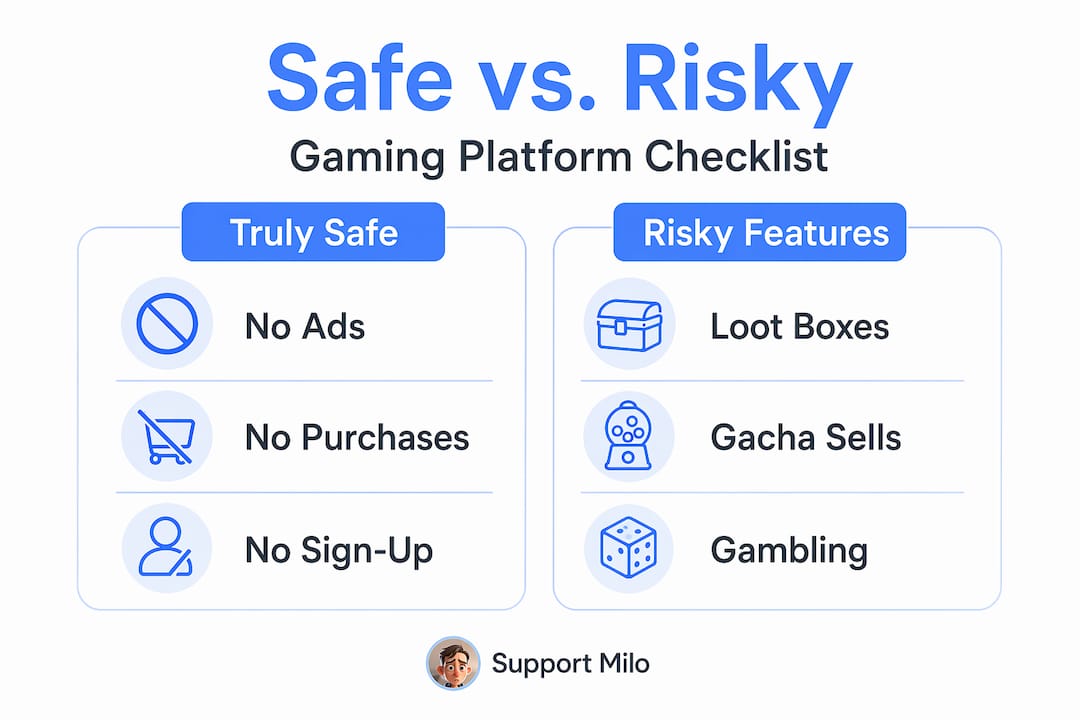
- Loot boxes: You pay real or purchasable virtual currency for a random reward. The outcome is uncertain, and the items can have perceived or real monetary value.
- Pay-to-skip mechanics: You spend money to remove friction or gain advantage, creating a spending habit tied to frustration and reward.
- Gacha systems: A spin-the-wheel model common in mobile games where you spend currency for a chance at rare characters or items.
These are distinct from truly safe gaming options. A non-gambling game gives you a clear, fixed experience with no real money wagering and no random rewards tied to purchase. Thrillzz, for example, is a free-to-play social sportsbook that offers sports predictions purely for fun, with daily prizes and zero deposits required. That is what risk-free entertainment looks like in practice.
Understanding gamification more broadly also helps. The impact of gamification on player behavior shows how game design choices can either protect users or nudge them toward spending habits they never intended.
Pro Tip: Read a game's monetization section in the app store or official website before downloading. If it says "in-app purchases" without specifying what those purchases unlock, dig deeper before you play.
Safe platforms for playing games with no financial risk
Once you know what to avoid, finding great alternatives becomes genuinely enjoyable. The good news is that the world of gambling-free game experiences is much bigger than most people realize.
What makes a platform truly safe
A platform earns the "safe" label when it meets a few clear criteria. No real money involvement. No in-app purchases that pressure you or your kids. No ads that redirect you to betting sites. And ideally, no personal account required just to play.
Syces Game Shack checks every box. It offers 180+ unblocked browser games with no download, no ads, and no sign-up required. The whole platform runs directly in your browser and works well even on school devices. That is zero monetization pressure and pure fun. Practitioners also remind us that ad presence alone does not tell the whole story: a game can be ad-free and still contain loot boxes or purchasable random rewards, so always evaluate monetization separately.
Netflix Playground is another standout for families. It offers ad-free, offline gaming with no in-app purchases, designed specifically for kids eight and under. It comes bundled with a standard Netflix subscription, meaning no extra cost and no hidden surprises.
Here is a quick comparison to help you choose:
| Platform | No Ads | No In-App Purchases | No Sign-Up Required | Best For |
|---|---|---|---|---|
| Syces Game Shack | ✅ | ✅ | ✅ | All ages, browser play |
| Netflix Playground | ✅ | ✅ | Netflix account needed | Kids 8 and under |
| Thrillzz | ✅ | ✅ | Account needed | Sports fans, social fun |
Pro Tip: Before letting kids explore a new gaming platform, spend ten minutes playing it yourself first. You will spot any red flags faster than any parental control app will.
Apps that prioritize well-being over engagement are becoming more common, and they represent the future of truly safe screen time. When a platform is designed to make you feel good rather than spend more, the whole experience shifts.
Parental strategies to protect kids from gambling mechanics
Parents carry a real responsibility here, and the challenges are not always obvious. Kids often cannot distinguish between virtual coins they earn in a game and real money spent from a parent's account. That confusion is by design in many apps.
Here are concrete steps you can take right now:
-
Remove stored payment methods from family devices. Experts warn that seamless in-app purchases dramatically increase the risk of unintentional spending. If buying requires actively entering a card number, kids are far less likely to do it impulsively.
-
Use parental controls on every device. Both iOS and Android offer robust parental control settings. Set purchase approval requirements so any spending triggers a notification to you first.
-
Have honest conversations about real vs. virtual currency. Sit down with your child and explain that the gems, coins, or stars in their favorite game cost actual money. Walk them through a real example using their allowance so it clicks.
-
Choose games together, not just for them. When you pick a game alongside your child, you signal that gaming is a shared activity with shared standards. You also get to screen it first.
-
Model the behavior you want to see. Active parent involvement sets the tone more than any rule you post on the fridge. If your child sees you choosing games that don't gamble and stepping away when a game tries to sell you something, they learn to do the same.
Early exposure to gambling mechanics in games significantly raises the risk of problem gambling later in life. That makes early education not just helpful, but genuinely protective. You have more influence than you think.
If gambling has already created stress in your household, the Support-milo resource on coping with family stress offers practical guidance from people who understand what you are going through.
Alternative fun: gaming enjoyment without any betting
Here is something worth sitting with: the most socially satisfying parts of gaming have never required money on the line. Competition, camaraderie, problem-solving, and the thrill of a win are all available in gambling-free formats.
Thrillzz, mentioned earlier, does this well with its squad features and leaderboards. You compete with friends, predict sports outcomes, and climb rankings without depositing a cent. That is how to enjoy games without stakes while still feeling the rush of competition.
Beyond the screen, there are genuinely rich alternatives worth considering:
- Board game nights. Classics like Catan, Ticket to Ride, or Codenames deliver real strategy and social connection with zero financial risk.
- Escape rooms. A timed, team-based puzzle experience that scratches the same itch as adventure games, completely offline.
- Trivia leagues. Many bars and community centers host free-entry trivia nights that are surprisingly competitive and social.
- Outdoor gaming. Disc golf, mini golf, and lawn bowling give you the scoring, the competition, and the fresh air without a single bet.
Even Las Vegas, the global symbol of gambling, offers a huge range of non-gambling experiences: walking Fremont Street, visiting world-class museums, live shows, and outdoor adventures. The assumption that gambling is the default entertainment choice is simply not true, even in the most gambling-saturated place on earth.
Gaming platforms built for well-being rather than ad revenue create calmer, safer experiences that actually satisfy rather than compel you to keep spending. Choosing these alternatives is not a sacrifice. It is an upgrade.
My honest take on gaming, gambling, and reclaiming real fun
I have watched the confusion between gaming and gambling grow steadily over the past decade. What used to be a clear distinction has been deliberately softened by game developers chasing revenue. The result is that parents feel anxious, players feel manipulated, and the genuine joy of play gets buried under spending pressure.
What I have learned from working alongside people recovering from gambling habits is this: banning screens entirely almost never works. It creates resentment, secrecy, and a stronger pull toward the very thing you are trying to avoid. What does work is replacing gambling-adjacent games with genuinely engaging alternatives and being open about why.
The platforms and strategies in this article are not just theoretical. They are the kinds of practical shifts that help people rediscover why they liked gaming in the first place. No deposit, no drama, just fun.
I also believe the industry is slowly moving in the right direction. Digital wellness approaches that prioritize healthy gaming behaviors are gaining traction. Platforms designed to protect users rather than extract money from them are appearing more often. That gives me genuine optimism.
If gambling has already created financial strain for you or someone you love, please do not carry that alone. Getting clear on managing gambling-related debt is a real and achievable step, and support is closer than you think.
— Milo
How Support-milo can help you move forward
If this article resonated with you, chances are gaming or gambling has touched your life in ways that go beyond just screen time. Support-milo exists precisely for that moment. It is a community-driven platform built for people navigating gambling addiction, financial recovery, and the family stress that comes with it.
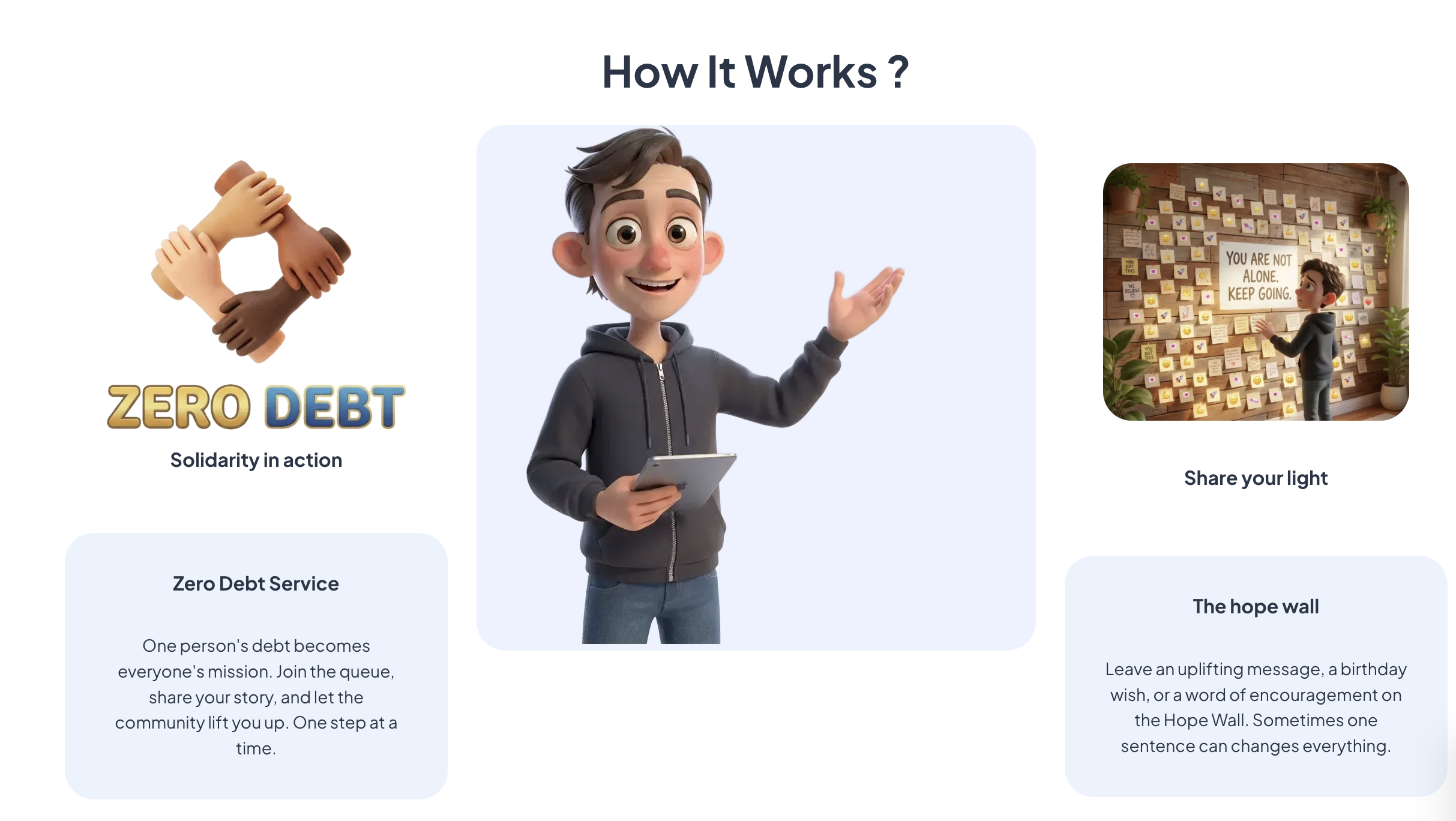
Through Support-milo, you can track debt repayment, share your story, and find others who genuinely understand your situation. The Hope Wall fills up daily with messages of encouragement from people who have been exactly where you are now. And for those ready to take a concrete financial step, the Zero Debt program offers a structured path toward clearing gambling-related debt with community support behind you every step of the way. You do not have to figure this out alone.
FAQ
What does it mean to enjoy games without gambles?
It means playing games that involve no real money wagering, no purchasable random rewards, and no financial risk. Platforms like Syces Game Shack and Thrillzz are good examples of this experience.
Are free-to-play games always safe from gambling mechanics?
Not always. Some free-to-play games include loot boxes or gacha systems that require purchased currency for random rewards. Always check a game's monetization model separately from whether it has ads.
How can parents protect kids from gambling-like features in games?
Remove stored payment methods from devices, use parental controls that require approval for purchases, and talk openly with kids about the difference between virtual and real currency. Active supervision is the most effective tool.
What are some fun, risk-free alternatives to gambling games?
Board game nights, trivia leagues, escape rooms, social sports prediction apps like Thrillzz, and outdoor games like disc golf all deliver real competition and social fun without any financial stakes.
Can gambling mechanics in games affect kids long term?
Yes. Early exposure to gambling mechanics in games is linked to higher risk of problem gambling later in life, making early education and guided game choices genuinely important for children's long-term well-being.