


Choosing to enjoy without risks does not mean choosing a boring life. That is one of the most common misconceptions holding people back from making healthier choices. The truth is that you can have genuine fun, feel real excitement, and stay socially connected without putting your finances, mental health, or future on the line. This guide walks you through practical tools, smarter habits, and meaningful alternatives that let you live fully while keeping harm at bay. Whether you are navigating gambling temptations, financial pressures, or simply want safer leisure options, there is a path forward that works for you.
Key takeaways
| Point | Details |
|---|---|
| Risk management beats risk avoidance | The goal is not zero risk but informed decisions that protect your finances and wellbeing. |
| Responsible gambling tools work | Deposit limits and self-exclusion registers like BetStop reduce harm when used proactively. |
| Healthy alternatives fill the gap | Social sports and structured activities satisfy the same psychological needs as addictive behaviors. |
| Free support is closer than you think | Confidential financial counseling for gambling harm is available at no cost and without judgment. |
| Everyday safety habits matter too | Simple steps at social gatherings protect your health and amplify your enjoyment. |
Understanding risk in everyday enjoyment
Most people think of risk as something to be completely eliminated. That thinking actually creates more problems than it solves. Some level of risk is woven into nearly every enjoyable activity, from trying a new restaurant to going for a swim. The real question is not "how do I avoid all risk?" but "how do I make smart choices that keep danger manageable?"
There are three types of risk worth understanding here.
- Financial risk: Spending beyond your means, taking on debt, or losing savings. Gambling is one of the most recognized sources of financial risk, but impulsive spending habits and poor budgeting contribute just as much.
- Addiction risk: Some activities trigger the brain's reward system so intensely that they become compulsive. Gambling, social media, and even certain video games can all follow this pattern. You stop doing them because you enjoy them and start doing them because you feel you have to.
- Safety risk: Physical harm during social or outdoor activities. This category is often underestimated at casual gatherings.
The difference between reckless and informed risk-taking comes down to awareness and planning. Reckless behavior ignores consequences until they arrive. Informed behavior acknowledges the potential downside and puts guardrails in place before that moment of impulsive decision-making. Think of it like Woody from Toy Story making a calculated leap versus Buzz Lightyear assuming he can fly without checking the facts first. One of them lands safely.
Gambling behaviors, in particular, carry a layered risk profile. The combination of financial loss and psychological dependency makes them especially dangerous for people who are already stressed or isolated. Recognizing this is not about shame. It is about understanding what you are dealing with so you can enjoy securely.
Practical tools for safer enjoyment ️
The good news is that the gambling industry and digital health community have developed real, working tools to help you enjoy without danger. These are not abstract suggestions. They are concrete features you can activate right now.
Responsible gambling tools include:
- Deposit limits: Cap how much money you can load into a gambling account per day, week, or month.
- Session time limits: Set a maximum amount of time per session so you do not lose track of hours.
- Reality checks: Automated pop-ups that interrupt gameplay at set intervals, showing you how long you have been playing and how much you have spent. These brief interruptions genuinely help you make clearer decisions.
- Self-exclusion: A formal request to block yourself from accessing gambling platforms for a set period.
BetStop, Australia's national self-exclusion register, lets individuals block betting accounts for periods ranging from three months to a lifetime. During the exclusion period, you cannot open new accounts or receive gambling marketing. A 2026 statutory review of BetStop highlighted the need for greater public awareness and stronger protections against circumvention, showing that self-exclusion works best when paired with consistent marketing restrictions. Research confirms that nine-month marketing bans after self-exclusion ends measurably reduce gambling deposits, because marketing is a genuine trigger for relapse.
Digital tools also play a growing role. Interactive digital interventions for people with mild-to-moderate gambling disorder show that enjoyment does not have to decrease when harm reduction is built in. Participants in one program reported stable enjoyment, increased engagement, and a real sense of benefit compared to those who simply read static information.
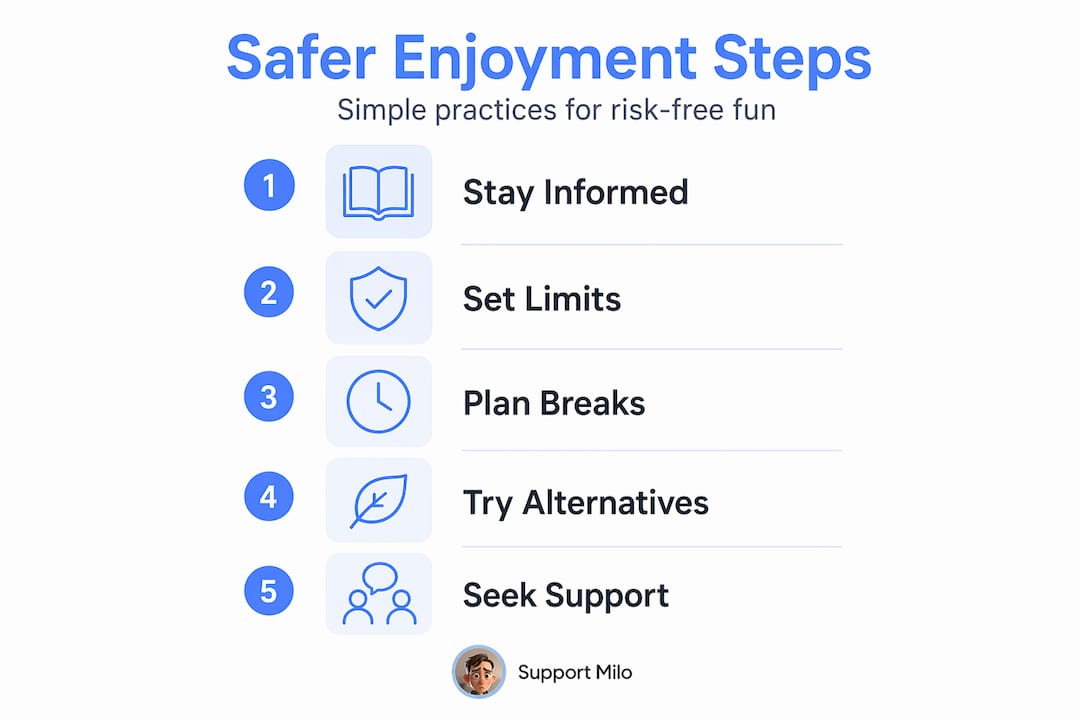
Pro Tip: Set your deposit and session limits conservatively before you ever feel the urge to raise them. Lowering your limits takes effect immediately, but increasing them requires a cooling-off period. Use that design to your advantage. Decide from a calm, clear state of mind, not a heated one.
Healthy alternatives that actually satisfy
Cutting back on a risky behavior leaves a psychological gap. Your brain was getting something from that activity, whether it was excitement, social connection, or a sense of achievement. Simply removing it without replacing it rarely works long term.
Replacing addictive behaviors with structured, social activities targets the underlying psychological needs far more effectively than willpower alone. A trial involving adolescents found that social sports programs significantly reduced smartphone addiction outcomes by addressing loneliness and building a sense of belonging. The same principle applies to adults navigating gambling habits.
Here are some practical, low-risk alternatives that genuinely deliver:
- Community sports leagues: Recreational soccer, basketball, or bowling leagues give you competition, camaraderie, and a weekly ritual without financial stakes.
- Board game nights: Strategy games scratch the same mental itch as gambling but keep the stakes social rather than financial.
- Creative hobbies with a social element: Art classes, cooking groups, or improv theater deliver the novelty and reward your brain craves.
- Volunteering: Giving your time creates a powerful sense of purpose and connectedness that addictive behaviors cannot replicate.
- Fitness challenges: Setting and tracking physical goals releases dopamine through progress, not chance.
The key word here is structured. Free, unplanned time is when cravings tend to surface. When your schedule includes activities you genuinely look forward to, the pull of risky behaviors weakens naturally. Think of how Dory from Finding Nemo stays afloat by focusing on one purposeful direction at a time. Structure is your compass. If you want to understand how gambling relapse works and how to break the cycle, that knowledge is a powerful companion to these lifestyle changes.
Support resources that are free and judgment-free
One of the biggest barriers to getting help is not the lack of resources. It is shame. People delay reaching out because they fear being judged, lectured, or labeled. The reality is that the most effective support services are specifically designed to be non-judgmental and confidential.
Free financial counseling for gambling harm helps you do several concrete things:
- Understand exactly where your money has gone and why
- Build a realistic budget that accounts for debt repayment
- Access specialist advocacy if you are dealing with creditors or facing financial hardship
- Create a plan to gradually regain control without overwhelm
These services are staffed by counselors who specialize in gambling-related financial setbacks. They are not general financial advisors. They understand the emotional side of the problem, not just the numbers. If you are also managing the ripple effects on your family, resources on gambling family stress can help everyone in your household move forward together.
Early intervention matters enormously. The longer a financial problem compounds, the more complex the recovery becomes. Reaching out when you first notice the warning signs, rather than waiting until you hit a wall, gives you far more options and far more breathing room.
Pro Tip: Overcoming the shame of asking for help is often the hardest part. Remind yourself that seeking support is not weakness. It is the same decision that Woody makes in every Toy Story film: recognizing you cannot solve the problem alone and choosing to trust the people around you. That decision always leads somewhere better.
Everyday safety tips for social fun
Enjoying yourself without danger extends well beyond gambling. Social gatherings and outdoor activities come with their own hidden risks, and a few simple habits can remove most of them.
Here are four steps to safer social and outdoor enjoyment:
- Separate drinks clearly. When hosting or attending summer gatherings, clearly label alcoholic and nonalcoholic options. Accidental consumption causes more incidents than people realize, especially among children and designated drivers.
- Follow the two-hour food rule. Perishable food left out for more than two hours at room temperature should be discarded. In heat above 90°F, that window shrinks to one hour. This one simple rule prevents most cases of foodborne illness at summer events.
- Wear a Coast Guard-approved life jacket on the water. Drownings happen fast and quietly. Wearing approved life jackets while boating or swimming in open water is one of the highest-impact safety choices you can make, regardless of your swimming ability.
- Know your surroundings before you jump in. Currents, visibility, and water depth change quickly. Take sixty seconds to assess before entering any body of water.
Here is a quick comparison of approaches to social enjoyment:
| Approach | Risk level | Enjoyment level |
|---|---|---|
| Unplanned gathering, no safety habits | High | Unpredictable |
| Planned event with drink labeling and food timing | Low | Consistently good |
| Water activity without life jackets | Very high | Short-term thrill only |
| Water activity with approved life jackets | Low | Sustainable and repeatable |
The pattern is clear. Safe leisure options do not reduce your fun. They make it repeatable and worry-free.
My take on risk, enjoyment, and what actually works
I have worked with enough people navigating gambling harm to know one uncomfortable truth: the "just stop" advice almost never helps. What does help is reframing the entire conversation away from willpower and toward systems.
In my experience, the people who reclaim their lives most effectively are not the ones who white-knuckle their way through cravings. They are the ones who build environments that make the healthy choice the easy choice. They use deposit limits before they feel tempted. They fill their calendar before the weekend feels empty. They ask for help before the debt becomes unmanageable.
I have also seen how critical shared responsibility is in this space. Gambling harm is not just an individual failure. It is shaped by platform design, marketing exposure, and social context. Expecting individuals to carry the entire burden alone is both unfair and ineffective.
What I find most exciting right now is the evidence around interactive digital tools. They respect user autonomy and privacy, which the research clearly shows improves engagement. Shame-based approaches push people away from support. Empowering, user-led tools pull them in. That distinction matters more than almost anything else.
My honest belief is this: you can enjoy life fully, feel genuine excitement, and still protect your finances and mental health. Those two things are not opposites. They are allies. Embracing manageable, informed risk is how you live well, not how you play it safe to the point of stagnation.
— Milo
How Support-milo helps you enjoy life safely
If any part of this article landed close to home, you are not alone and you do not have to figure it out by yourself. Support-milo exists precisely for this moment.
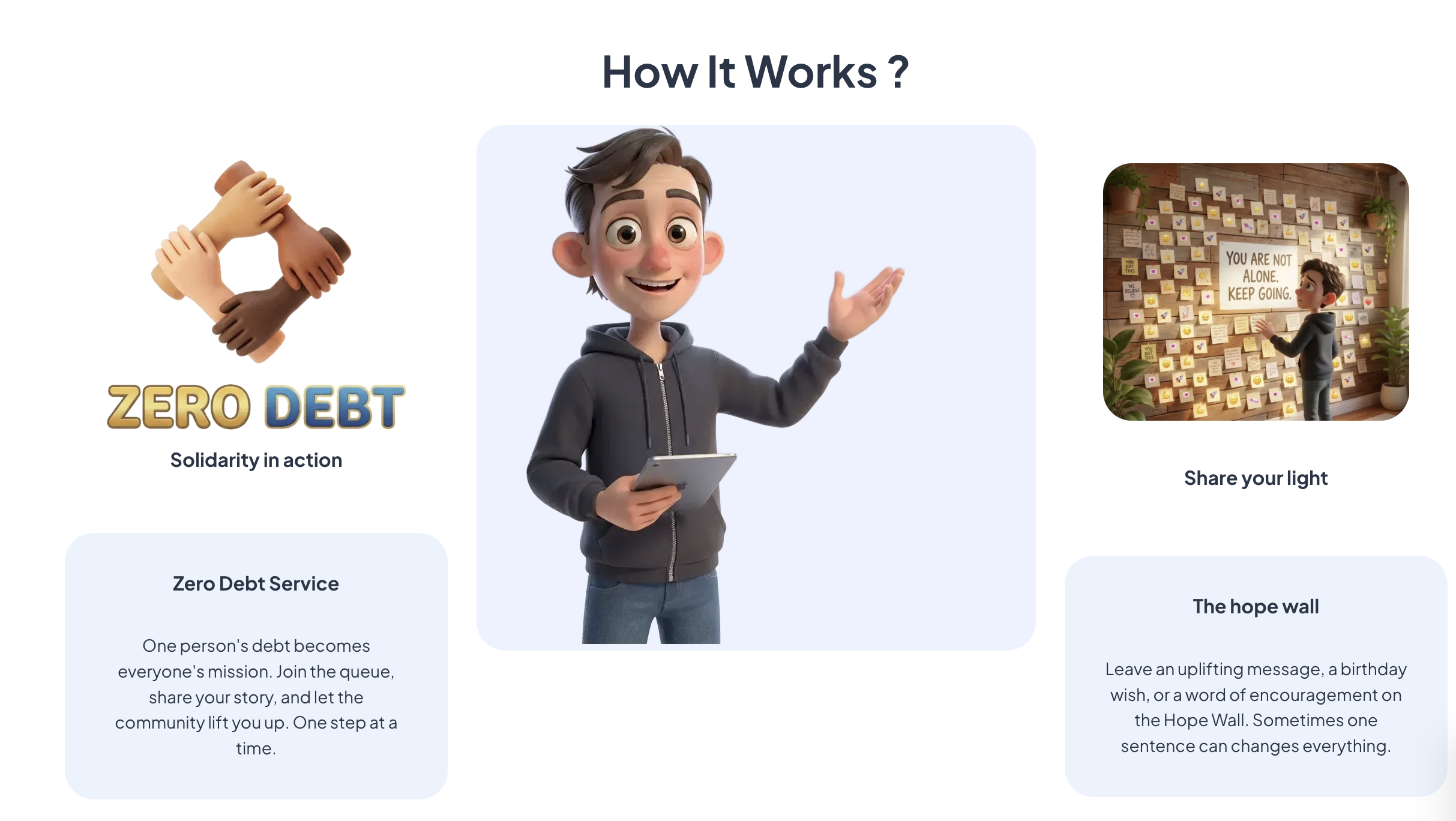
Support-milo is a free, community-driven platform offering confidential support for individuals dealing with gambling-related harm, debt, and financial setbacks. You can explore free counseling through the platform, track your debt repayment progress, and connect with others who genuinely understand what you are going through. The Hope Wall is filled with messages from people who were exactly where you are now and found their way forward. For organizations looking to support employees or clients, enterprise-level services are also available. Take the first step today. It costs nothing and changes everything.
FAQ
What does "enjoy without risks" actually mean?
It means choosing activities and habits that deliver genuine satisfaction without exposing you to serious financial, emotional, or physical harm. The goal is smart enjoyment, not zero enjoyment.
How do deposit limits help with safe gambling?
Deposit limits cap how much money enters your account over a set period, making it structurally harder to overspend. Lowering limits takes effect immediately, so setting them conservatively in advance is one of the most effective harm-reduction steps available.
What is BetStop and how does it work?
BetStop is Australia's national self-exclusion register. It prevents you from opening new gambling accounts or receiving marketing during your chosen exclusion period, which can range from three months to a lifetime.
What are the best risk-free activities to replace gambling?
Community sports, creative group hobbies, volunteering, and fitness challenges all satisfy the brain's need for reward, social connection, and achievement without the financial or addiction risks associated with gambling.
How do I find free support for gambling-related debt?
Specialist financial counseling services for gambling harm are available at no cost and provide confidential, non-judgmental help. Support-milo also connects you to free debt management resources and community support to help you rebuild your financial footing.