


The weight of gambling shame and guilt is something thousands of people carry silently every day. If you're reading this, you've probably replayed past decisions in your head, wondered what people would think, or told yourself you should have known better. These feelings are real, and they're exhausting. But here's what matters: shame and guilt don't have to be the end of your story. They can actually be the turning point. This guide will walk you through what these emotions really mean, how to find the right support, and how community-driven recovery can help you move forward.
Table of Contents
- Understanding gambling-related shame and guilt
- Preparing to overcome shame: seeking help and building support
- Executing recovery: engaging peer support groups and community resources
- Verifying your progress: managing emotions and financial recovery
- Why embracing imperfection is key to overcoming gambling shame
- Finding ongoing help with Support Milo
- Frequently asked questions
Key Takeaways
| Point | Details |
|---|---|
| Shame and guilt explained | Understanding these emotions helps reduce their power and encourages seeking help early. |
| Low-barrier support | National helplines and peer groups offer confidential, accessible help anytime to break isolation. |
| Peer support benefits | Community recovery programs provide accountability and shared experience that ease shame. |
| Recovery is imperfect | Waiting for perfect readiness delays healing; progress comes from early, honest engagement. |
| Managing debt matters | Financial counseling alongside emotional recovery builds stability and confidence. |
Understanding gambling-related shame and guilt
Before you can overcome gambling shame and guilt, it helps to understand what you're actually dealing with. Shame and guilt feel similar, but they work very differently in your mind.
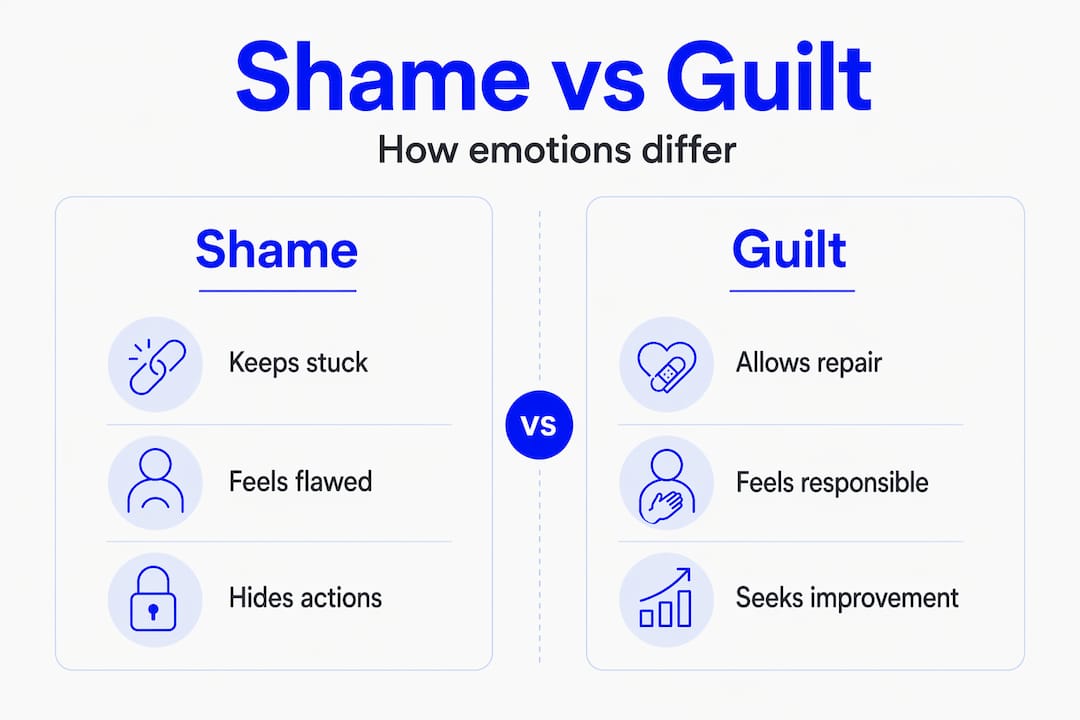
- Shame is the feeling that you are the problem. "I am broken. I am weak. I am a failure." It attacks your identity.
- Guilt is the feeling that what you did is the problem. "I made a harmful choice. I hurt people I love." It focuses on your behavior.
Both emotions are painful, but shame is the one that tends to keep people stuck. When you feel guilty, there's still space to repair things. When shame takes over, it whispers that you're beyond repair. That's not true, but it feels true.
Gambling problems trigger shame so easily because of the secrecy involved. You may have hidden losses, lied to family members, or borrowed money without saying why. Each secret stacks on top of the last, and the longer it continues, the more overwhelming the shame becomes. Many people describe it as a wall they don't know how to climb over.
The result is a painful cycle. Shame leads to isolation, and isolation leads to more gambling as a way to escape the feeling. And then comes more shame. Breaking that cycle is possible, but it requires reaching out, not retreating further into yourself. Problem gambling affects mental health, relationships, and daily responsibilities, which is exactly why shame and guilt need to be met with genuine support and structured treatment rather than judgment.
Key things to understand about the role of shame in gambling addiction:
- Shame thrives in silence. The less you talk about it, the stronger it gets.
- Isolation makes shame worse, not better.
- Guilt, when managed well, can motivate positive change.
- Seeking emotional support for gambling struggles is an act of strength, not weakness.
Preparing to overcome shame: seeking help and building support
Knowing you need help and actually reaching for it are two very different things. Shame-driven avoidance is one of the biggest barriers people face. You might tell yourself: "I'll wait until things get worse." Or: "I'll handle it on my own first." But waiting only deepens the shame and makes it harder to speak up.
The good news? The barriers to getting help are lower than you think.
The easiest first step: the National Problem Gambling Helpline
You don't have to walk into an office or explain yourself to anyone face-to-face. The National Problem Gambling Helpline provides free, confidential call, text, and chat services 24 hours a day, 365 days a year, connecting you to trained local resources. You can text from your car, late at night, or anywhere you feel safe. That kind of low-barrier access matters when shame makes every step feel enormous.
Shame-driven avoidance can lead people to put off help for months or years. The helpline exists precisely to remove that hesitation. As outlined in the helpline's guidance, treatment and recovery structures work best when they meet people where they are, without demanding that you have everything figured out before you call.
Support options at a glance
| Option | Format | Available | Best for |
|---|---|---|---|
| National Problem Gambling Helpline | Call, text, chat | 24/7/365 | First-time outreach, privacy |
| Peer support groups (e.g., GA) | In-person or online | Weekly meetings | Ongoing accountability |
| Individual therapy | In-person or telehealth | By appointment | Deep emotional work |
| Nonprofit recovery resources | Online community | Always | Flexible, free support |
What makes peer support so powerful?
Peer support matters because shame shrinks when you realize you're not alone. Hearing someone else describe exactly how you feel, without judgment, can be more powerful than any clinical explanation. Text and chat options on the helpline also remove the fear of someone recognizing your voice or your face.
Pro Tip: When you first reach out, you don't have to have a plan or even be sure you have a problem. Simply saying "I'm worried about my gambling" is enough. Trained counselors are there to listen, not to judge.
Executing recovery: engaging peer support groups and community resources
Once you've made that first contact, the next stage is building real community around your recovery. This is where coping with gambling guilt shifts from a solo effort to a shared one. And that shared effort changes everything.
How Gamblers Anonymous works
Gamblers Anonymous is a confidential 12-step fellowship designed specifically for people who feel ashamed or secretive about gambling. Meetings are judgment-free spaces where members share experiences and support each other through accountability partnerships called sponsorships.
Here's how to start engaging with peer support communities effectively:
- Find your first meeting. GA has both in-person and online meetings. Search their directory for local or virtual options. You can attend without speaking at first.
- Listen before you share. There's no pressure to share your story right away. Listening to others helps you see that recovery is real and possible.
- Get a sponsor. Once you feel ready, a sponsor offers one-on-one accountability and guidance through the 12 steps.
- Commit to showing up, even when it's hard. Consistency builds trust in both directions, in yourself and in the community.
- Explore online communities. If in-person meetings feel overwhelming, online groups offer the same peer support from home.
The key requirement for GA membership is simply the desire to stop gambling. Not perfection. Not having hit rock bottom. Not being "ready." Just the desire. That's a much lower bar than most people assume, and it's intentional.
Managing setbacks with compassion is equally important. Relapse doesn't erase progress. Every person in a recovery community has stumbled. What matters is how you respond, not the fact that it happened.
Pro Tip: When a setback happens, resist the urge to disappear from your support group. That's exactly when showing up matters most. Vulnerability in those moments creates the deepest bonds in recovery communities.
The importance of peer support goes beyond accountability. It rewires the belief that you are fundamentally broken by showing you, repeatedly, that people just like you have found their way forward. Rebuilding trust in yourself often starts by watching others rebuild theirs.
Looking at debt management strategies alongside emotional recovery is also worth starting early. Financial stress and shame are deeply connected, and addressing both at once builds more stable long-term recovery.
Verifying your progress: managing emotions and financial recovery
Recovery isn't a straight line. There will be weeks when you feel strong and weeks when old feelings of shame creep back. Tracking your progress, both emotionally and financially, gives you evidence that things are actually changing, even when it doesn't feel that way.
Tracking emotional milestones
Here are some signs that your emotional recovery is moving in the right direction:
- You can talk about your gambling struggles without shutting down.
- Shame-driven urges feel less automatic.
- You reach out to your support network before situations escalate.
- You're sleeping better and experiencing fewer anxiety spikes.
- You feel moments of genuine hope, not just relief.
None of these are dramatic breakthroughs. They're quiet shifts. But they matter enormously.
Debt management options compared
| Option | Best for | Cost | Timeline |
|---|---|---|---|
| Debt counseling | Structured repayment planning | Often free (nonprofit) | Medium-term |
| Budgeting tools | Daily spending awareness | Free to low-cost | Immediate |
| Financial coaching | Building long-term habits | Varies | Long-term |
| Therapy (financial grief focus) | Emotional side of debt | Varies | Ongoing |
Individual and family therapy can help you work through shame, financial grief, and the slow process of rebuilding trust with the people you love. Debt counseling gives that work structure by creating a clear path through what might feel like an impossible financial hole.
Setting boundaries with loved ones is also part of this stage. Recovery puts stress on relationships. Clear, honest conversations about what you need, and what you can offer, protect both you and the people around you.
Pro Tip: Keep a simple weekly log of one emotional win and one financial step forward, no matter how small. Seeing this record grow over time is one of the most effective ways to counter shame's loudest lie: that nothing is changing.
Supporting your emotional and financial recovery together is far more effective than tackling each in isolation. Progress on one front tends to fuel progress on the other. 💪
Why embracing imperfection is key to overcoming gambling shame
Here's something most recovery guides won't tell you directly: waiting until you feel "ready" is itself a symptom of shame.
Shame tells you that you need to have a plan, that you need to be stronger, that you need to fix the worst of the damage before you deserve support. And so you wait. Weeks become months. Months become years. The problems compound. And shame grows heavier.
The uncomfortable truth is that nobody enters recovery feeling fully prepared. Every person who has ever sat in their first GA meeting, or made their first call to a helpline, showed up while still feeling terrified, ashamed, and uncertain. That's not a weakness. That's the actual starting point.
Engaging with peer support early is critical to recovery success precisely because it interrupts the waiting game that shame creates. Each imperfect attempt builds something: a phone number saved, a meeting attended, a conversation started. These small, messy actions are the foundation.
Vulnerability is not the opposite of strength in recovery. It is the strength. People who allow themselves to be seen in their struggle, before they have it all together, are the ones who build the most resilient support networks. They find their sponsors faster. They trust their communities more deeply. They recover more fully.
Progress over perfection isn't just a motivational phrase. It's the actual mechanism by which overcoming negative feelings about gambling becomes possible. You don't get there by being fixed. You get there by moving forward, imperfectly, one conversation at a time.
The overcoming shame tips that genuinely work all point back to the same truth: action before readiness creates readiness. Not the other way around. 🌱
Finding ongoing help with Support Milo
You've taken in a lot today. Understanding your shame and guilt, building toward peer support, tracking progress, and shifting your mindset are all meaningful steps. But sustained recovery benefits from a community that stays with you for the long haul.
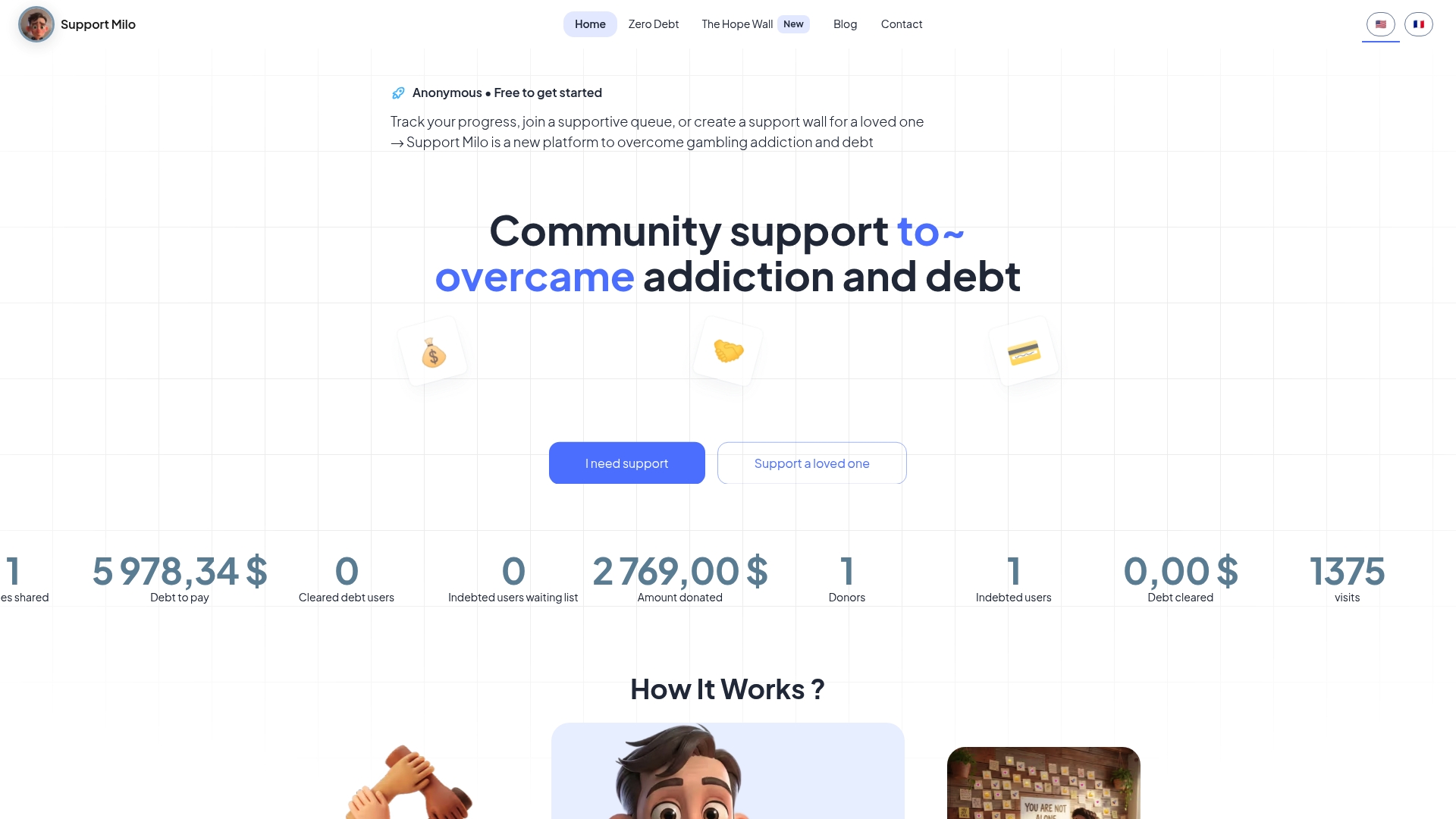
Support Milo is a nonprofit-driven platform built specifically for people navigating gambling recovery and debt. It's a space where real people share their stories, track debt repayment, and send encouragement through features like the Hope Wall, because recovery is easier when others are walking the same road. The Support Milo homepage offers free emotional support tools designed to reduce stigma and keep you connected, while enterprise-level resources complement professional therapy and 12-step programs. For those ready to tackle the financial side, the zero debt recovery program provides structure and community-backed motivation. You don't have to be ready. You just have to take one step. 🤝
Frequently asked questions
What is the difference between shame and guilt in gambling recovery?
Shame is feeling fundamentally flawed or unworthy because of gambling, while guilt focuses on feeling responsible for specific harm caused; both emotions affect recovery but respond well to compassionate, structured support.
How can peer support groups help with gambling shame?
Peer support groups like Gamblers Anonymous create a confidential community where shared experiences and accountability naturally reduce the isolation that shame feeds on, helping members heal together.
What resources are available if I don't feel ready to seek help for gambling problems?
The National Problem Gambling Helpline offers 24/7 confidential call, text, and chat services, so you can reach trained support anytime, even before you feel certain you're ready to ask for help.
Can family members get support for dealing with a loved one's gambling?
Yes, Gam-Anon is a dedicated peer support group for family members and loved ones, offering practical strategies for healthy boundaries and reducing the isolation that gambling problems bring into the whole family.
How can I manage gambling debts while overcoming shame?
Debt counseling and budgeting support provide practical structure and relief, making it possible to address financial challenges while continuing the emotional work of recovery at the same time.