


Rebuild Trust After Gambling Betrayal: A Real Guide
Rebuilding trust after gambling betrayal is a deliberate process that depends on consistent, verifiable actions over time, not apologies alone. The clinical term for this process is "trust repair," and it unfolds in two recognized phases: stabilization, which covers the first 1–3 months, and active rebuilding, which spans 3–12 months. Both phases require structural changes, honest communication, and professional support. If you are living through this right now, whether as the person who was betrayed or the one who caused the harm, this guide gives you a clear, evidence-backed path forward.
How to rebuild trust after gambling betrayal: the foundation
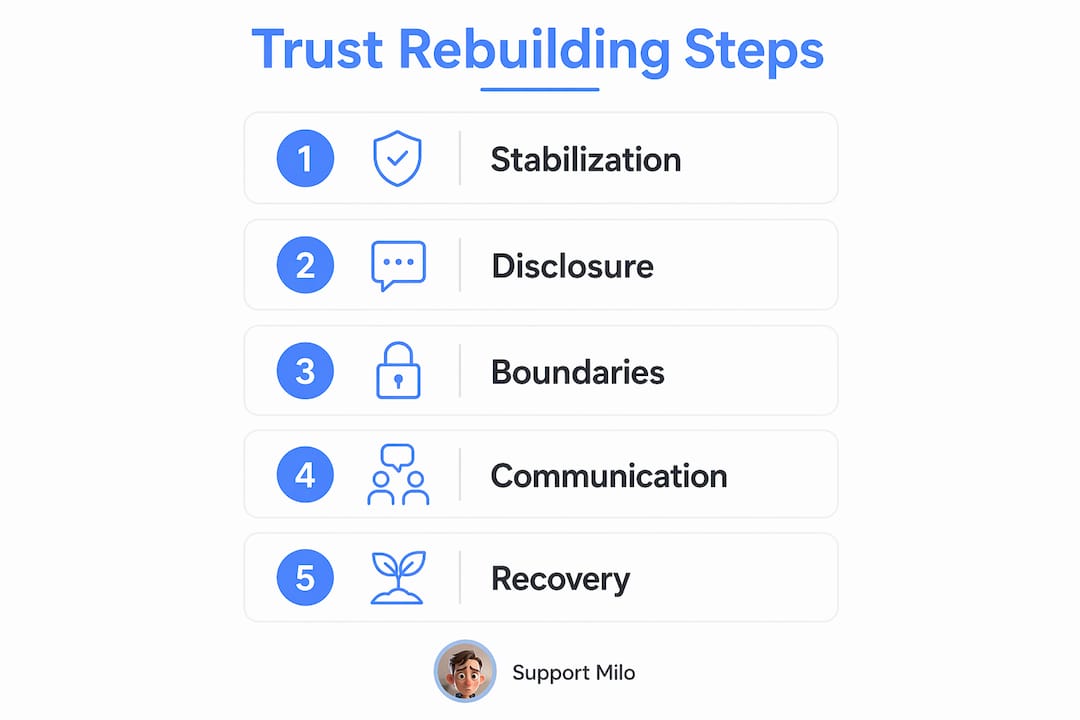
Trust repair after gambling betrayal does not happen through a single conversation or a grand promise. Trust restoration follows two phases: stabilization in the first 1–3 months, focused on transparency and boundary setting, and active rebuilding from months 3–12, built on consistent trustworthy behavior. That timeline matters because it sets realistic expectations for both partners.
The stabilization phase is about stopping the bleeding. Full financial disclosure, setting clear boundaries, and putting structural safeguards in place are the priorities here. The rebuilding phase is where the real work begins. Steady, predictable behavior replaces the chaos that gambling created.

Understanding why loved ones hide gambling debts also helps. Lying in gambling addiction is often a symptom of shame and a survival mechanism, not a core character flaw. Recognizing that distinction does not excuse the behavior. It does make it easier to address without getting stuck in cycles of blame.
What tools and supports do you need first?
Structural safeguards are not optional. Effective recovery requires three concurrent barriers: blocking software, self-exclusion registration, and shared bank account access controlled by the betrayed partner. These are not punishments. They are practical tools that reduce relapse risk and give the betrayed partner something concrete to rely on.
Here is a summary of the core tools and supports:
| Tool or Support | Purpose | Who It Helps |
|---|---|---|
| Blocking software (e.g., Gamban) | Prevents access to gambling sites | Person with gambling addiction |
| Self-exclusion (e.g., GAMSTOP) | Registers a formal ban from gambling venues | Person with gambling addiction |
| Partner-controlled bank access | Increases financial transparency | Both partners |
| Individual CBT therapy | Addresses addictive thought patterns | Person with gambling addiction |
| Couples therapy | Repairs communication and relational safety | Both partners |
| Peer support groups | Reduces shame and builds accountability | Both partners |
Couples therapy and individual cognitive behavioral therapy (CBT) are the most evidence-backed interventions for repairing relationships affected by gambling addiction. CBT helps the person with the addiction identify and interrupt the thought patterns that drive gambling. Couples therapy creates a structured, safe space to work through the hurt together.
- Set up blocking software before any other conversation about trust.
- Register for self-exclusion programs as a concrete, verifiable commitment.
- Give your partner shared or full access to bank accounts and statements.
- Book a first therapy appointment within the first two weeks of disclosure.
Pro Tip: Ask your therapist to help you create a written "recovery agreement" that lists every structural safeguard in place. Having it in writing removes ambiguity and gives both partners a shared reference point.
Protecting family finances from gambling is a parallel priority. Financial transparency is one of the fastest ways to rebuild a sense of safety for the betrayed partner.
How can honest communication restore your relationship?
Transparency is the single most powerful communication tool in trust repair. Critically, transparency is a voluntary act of accountability, not a form of surveillance imposed by the betrayed partner. That distinction matters enormously. Surveillance is exhausting and breeds resentment. Voluntary transparency builds safety.
Effective communication after gambling betrayal follows a few clear principles:
- Use "I" statements to express feelings without triggering defensiveness. ("I feel scared when I don't know where the money went" rather than "You always lie.")
- Choose calm moments for difficult conversations. Avoid bringing up finances or trust during arguments or high-stress situations.
- Share updates proactively. Do not wait to be asked about spending, therapy attendance, or recovery progress.
- Recognize your triggers and distinguish them from genuine new threats. A trigger is an emotional reaction rooted in past pain. A genuine threat is new evidence of dishonesty.
"Regulation of emotional responses must come before reassurance and explanations. When the nervous system is flooded, no conversation about trust can land." — Trust framework research
That quote captures something most people miss. When you are in the middle of a triggered state, your brain is not processing new information clearly. Pausing, breathing, and grounding yourself first makes every conversation more productive.
Pro Tip: Avoid "trickle truth," which means revealing information in small, intermittent doses over time. Every new disclosure resets the trust clock and restarts trauma processing for the betrayed partner. One structured, complete disclosure in a safe setting causes far less long-term damage than months of partial revelations.
What are the step-by-step actions to rebuild trust sustainably?
A phased approach gives both partners a roadmap and prevents the exhaustion that comes from expecting instant results. Here is how the process typically unfolds:
-
Full disclosure (Week 1–2). Share the complete picture of gambling activity, financial damage, and any related deception. Do this with a therapist present if possible. Partial disclosure now guarantees more pain later.
-
Structural safeguards in place (Week 1–4). Activate blocking software, register for self-exclusion, and transfer financial oversight to the betrayed partner. These actions signal commitment more clearly than any words.
-
Consistent small acts of reliability (Months 1–3). Come home when you say you will. Attend every therapy session. Share bank statements without being asked. Trust rebuilds through thousands of small acts of steady, predictable behavior, not grand gestures.
-
Couples therapy sessions (Months 1–6). Work with a licensed therapist to rebuild communication patterns and address the relational damage. Sessions typically run $150–$300 per hour, and the investment is worth it.
-
Milestone check-ins (Every 3 months). Review what has changed, what is working, and what still needs attention. Celebrate progress openly. Acknowledge recovery milestones together as a couple.
-
Build a new relationship structure (Months 6–12). The goal is not to return to how things were before. Trust never rebuilds by restoring the old relationship, which was vulnerable to deception. A consciously new structure with explicit agreements is what creates lasting safety.
Here is a comparison of the two main phases and what to expect:
| Phase | Timeline | Focus | Key Actions |
|---|---|---|---|
| Stabilization | Months 1–3 | Stop harm, establish safety | Full disclosure, structural barriers, first therapy sessions |
| Rebuilding | Months 3–12 | Consistent behavior, new structure | Ongoing transparency, milestone reviews, new relationship agreements |
Pro Tip: When a new disclosure or setback occurs, acknowledge that the trust clock has reset. Do not minimize it. Naming it honestly and recommitting to the process is far more effective than pretending the setback did not happen.
Managing shared debt from gambling is often part of this phase too. Financial recovery and relational recovery move together.
How do you prevent relapse and protect long-term trust?
Relapse prevention is not a one-time setup. It is an ongoing practice that protects both the recovery and the relationship. The structural barriers you put in place early need to stay in place, not just for the first few months but for as long as both partners need them.
- Keep blocking software and self-exclusion registrations active. Do not remove them as a reward for progress. They are infrastructure, not punishment.
- Continue individual therapy even when things feel stable. Stability is when the real cognitive work happens.
- Attend peer support groups regularly. Therapy combined with peer support aids accountability and reduces the shame that drives secrecy.
- Use verification rather than interrogation. The betrayed partner checking a bank statement is verification. Demanding explanations for every hour of the day is interrogation. One builds trust; the other erodes it.
- Create a written relationship contract that outlines agreed boundaries, financial oversight arrangements, and what happens if a relapse occurs. Review it every three months.
Addressing gambling shame and guilt is a critical part of this stage. Unprocessed shame is one of the most common relapse triggers. When the person with the addiction feels too ashamed to admit a close call or a slip, secrecy returns. Reducing shame through therapy and peer connection keeps honesty alive.
Pro Tip: Identify your top three relapse triggers in writing and share them with your partner and therapist. Knowing your specific risks makes it easier to ask for support before a crisis, not after.
What I have learned about trust repair that most articles miss
I have seen a lot of people come through the early stages of gambling betrayal expecting that enough love and enough effort will eventually restore things to how they used to be. That expectation is the single biggest obstacle to real healing.
The old relationship is gone. That is not a tragedy. It is actually an opportunity. The relationship that existed before the betrayal had gaps in it, places where secrecy could grow and go unnoticed for months or years. Rebuilding means designing something new together, with explicit agreements, shared visibility into finances, and communication habits that did not exist before.
Small, consistent acts are what fill the "trust account" over time. Therapists use that phrase to describe the gradual accumulation of evidence that someone is reliable. One honest conversation does not fill it. Three hundred honest conversations, over a year, start to. That is not discouraging. It is clarifying. You know exactly what the work looks like.
The emotional complexity here is real. The betrayed partner carries grief, anger, and hypervigilance all at once. The person who caused the harm carries shame so heavy it can make honesty feel impossible. Both experiences are valid. Both need professional support to process. Peer communities, like the ones at Support-milo, add something therapy alone cannot: the lived experience of people who have been exactly where you are and made it through.
— Milo
Support-milo is here for the road ahead
Healing from gambling betrayal is hard work, and you do not have to figure it out alone.
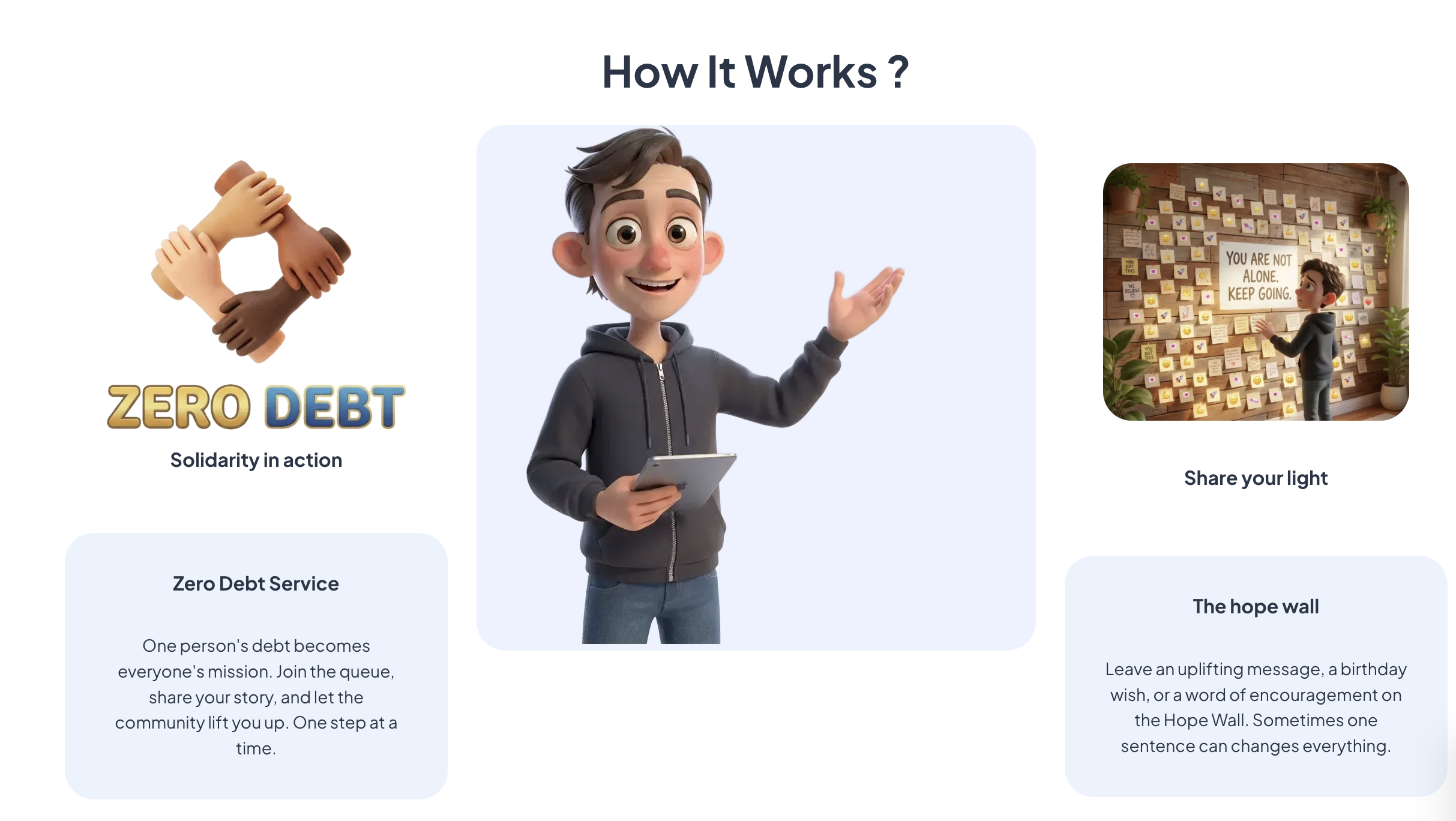
Support-milo is a community-driven platform built for people navigating exactly this situation. Whether you are the partner who was hurt or the person working to make things right, you will find real stories, debt tracking tools, and a Hope Wall full of encouragement from people who understand what this feels like. The platform connects you with others who are rebuilding, step by step, and makes the process feel less isolating. For structured support and professional resources, the Support-milo enterprise hub offers tools designed for lasting recovery and relationship repair. You can also explore debt relief options through the zero debt program, which helps address the financial damage that gambling betrayal leaves behind.
FAQ
How long does it take to rebuild trust after gambling betrayal?
Trust restoration generally follows two phases: stabilization in months 1–3 and active rebuilding from months 3–12. The full process often takes a year or more, depending on the depth of the betrayal and the consistency of recovery efforts.
What is the difference between transparency and surveillance in trust repair?
Transparency is a voluntary act of accountability by the person who caused harm. Surveillance is control imposed by the betrayed partner. Transparency builds safety; surveillance creates resentment and exhaustion.
Does trickle truth make trust repair harder?
Yes. Every new disclosure resets trauma processing and restarts the trust clock for the betrayed partner. One complete, structured disclosure in a safe setting causes significantly less long-term damage than months of partial revelations.
Can a relationship truly recover after gambling betrayal?
Relationships do recover, but not by returning to how they were before. Lasting recovery requires building a new relationship structure with explicit agreements, shared financial oversight, and communication habits that did not previously exist.
What is the most important first step after gambling betrayal is revealed?
Full disclosure of the gambling activity and financial damage is the most critical first step. Partial disclosure guarantees more pain later. Doing this with a therapist present reduces the risk of further harm during the conversation.